- by foxnews
- 23 Feb 2026
Breakthrough device promises to detect glucose without needles
PreEvnt isaac device uses breath analysis to monitor glucose levels without needles, drawing attention at CES 2026 as a potential breakthrough for diabetes management.
1.4 k views
Recently, one small device has been drawing significant attention for tackling that problem in a very different way.
Sign up for my FREE CyberGuy Report
Get my best tech tips, urgent security alerts, and exclusive deals delivered straight to your inbox. Plus, you'll get instant access to my Ultimate Scam Survival Guide - free when you join my CYBERGUY.COM newsletter.
Blood sugar levels can rise or fall quickly. When changes go unnoticed, the risks increase, from long-term organ damage to sudden hypoglycemia.
At the same time, glucose tracking has surged among people without diabetes. As GLP-1 medications gain popularity, many people now track their blood sugar to understand how food affects their bodies. The need for simpler tools keeps growing.
Even Apple has spent years trying to bring no-prick glucose tracking to wearables. Despite heavy investment, the feature has yet to arrive.
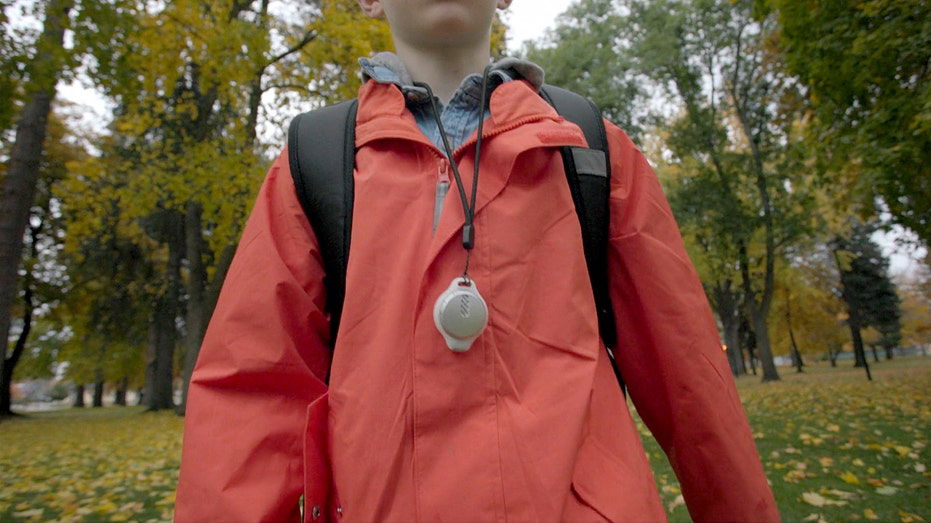
The breath-based design is intended to reduce how often users need finger-prick blood tests, while providing early alerts for glucose-related changes.
The device is named after the inventor's grandson, Isaac, who was diagnosed with type 1 diabetes at just two years old. The inventor, Bud Wilcox, wanted to reduce the number of painful finger pricks his grandson faced each day. That personal motivation led to years of collaboration with scientists, designers and engineers. Research and development included work with Indiana University, under the direction of Dr. M. Agarwal. The goal was simple but ambitious. Alert families to blood sugar events earlier while reducing the physical and emotional toll of constant testing.
This matters because people with diabetes can become disoriented or incapacitated during hypoglycemic events. Early alerts give caregivers or family members a chance to step in. A single charge lasts all day and supports multiple breath tests. The device comes with a USB-C charging cradle and cable.
According to PreEvnt, isaac is being developed for:
It may also appeal to people focused on metabolic health. As mentioned, the device is still undergoing development and FDA review and is not yet for sale in the U.S. The companion app will launch on iOS and Android closer to availability.
PreEvnt first introduced isaac publicly at CES 2025. Later that year, the device entered active human clinical trials. Those studies compare isaac's breath-based alerts with traditional blood glucose monitoring methods. Trials began with adolescents who have type 1 diabetes and later expanded to adults with type 2 diabetes. The company is now working toward regulatory review with the U.S. Food and Drug Administration. Because this technology is new, PreEvnt is pursuing a de novo pathway, which allows devices to be evaluated while standards are still being defined. According to the company, regulators have shown strong interest as the data continues to come in.
Isaac does not claim to replace medical-grade glucose meters. The device is being developed to supplement existing monitoring methods by offering breath-based alerts tied to glucose-related changes.
Take my quiz: How safe is your online security?
Think your devices and data are truly protected? Take this quick quiz to see where your digital habits stand. From passwords to Wi-Fi settings, you'll get a personalized breakdown of what you're doing right and what needs improvement. Take my Quiz here: Cyberguy.com.
Would you trust a breath-based device to warn you about rising blood sugar before symptoms appear? Let us know by writing to us at Cyberguy.com
Sign up for my FREE CyberGuy Report
Get my best tech tips, urgent security alerts, and exclusive deals delivered straight to your inbox. Plus, you'll get instant access to my Ultimate Scam Survival Guide - free when you join my CYBERGUY.COM newsletter.
Copyright 2026 CyberGuy.com. All rights reserved.
you may also like



- by foxnews
- 23 Feb 2026
Team USA's Jack Hughes shares patriotic message after Olympic thriller

travel
- by foxnews
- descember 09, 2016
Trump airport renaming advances amid controversy. Here are others named for presidents
Trump would join Lincoln, Kennedy, Reagan and five other presidents with airports bearing their names if Florida's Palm Beach renaming plan moves forward.
read more