- by foxnews
- 03 May 2026
Remains found near Florida bridge identified as missing college student who vanished weeks ago
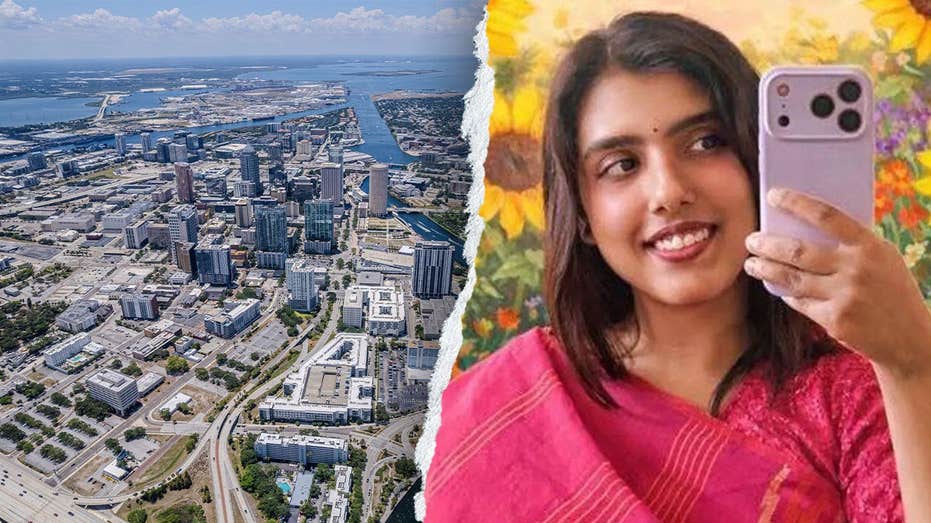
Missing USF doctoral student Nahida Bristy's remains have been identified near a Tampa Bay bridge. Roommate Hisham Abugharbieh is charged with murder.
1.2 k views
The Hillsborough County Sheriff's Office said Friday that, after analyzing DNA, dental records and clothing, the remains were confirmed to be Bristy's.
"We have located Nahida Bristy," Hillsborough County Sheriff Chad Chronister said. "We have contacted her family. We are now actively working to release both bodies for religious reasons back to the families who live in Bangladesh."
Bristy and fellow University of South Florida doctoral student Zamil Limon were last seen April 16, vanishing within hours of each other. Limon's remains were discovered on the Howard Frankland Bridge April 24.
"While this identification brings answers, it also brings immense sorrow. Nahida Bristy and Zamil Limon were not only students, they were driven, accomplished individuals destined and deserving of great futures," Chronister said.
"We extend our condolences to their loved ones as they face this painful reality. We are committed to uncovering the truth and ensuring that justice is pursued in their name."
Investigators later searched Limon's apartment, where they found his student ID, eyeglasses, a shirt with blood and tears and phone cases belonging to both victims. Authorities also deployed a marine unit and dive team to search areas of the last known GPS signals from the victims' phones.
On Sunday, April 26, kayakers discovered the remains in mangroves near Interstate 275 and 4th Street North after a fishing line became caught on a trash bag. Authorities said the remains were in an advanced state of decomposition and required several days to identify.
Detectives said the investigation revealed blood evidence inside the apartment shared by Limon and the suspect, and they are continuing to work to determine a motive in what officials described as an active and ongoing investigation.
Authorities said they are working to release both victims' bodies to their families in Bangladesh for religious reasons.
Fox News Digital's Sarah Rumpf contributed to this report.
you may also like


- by foxnews
- 03 May 2026
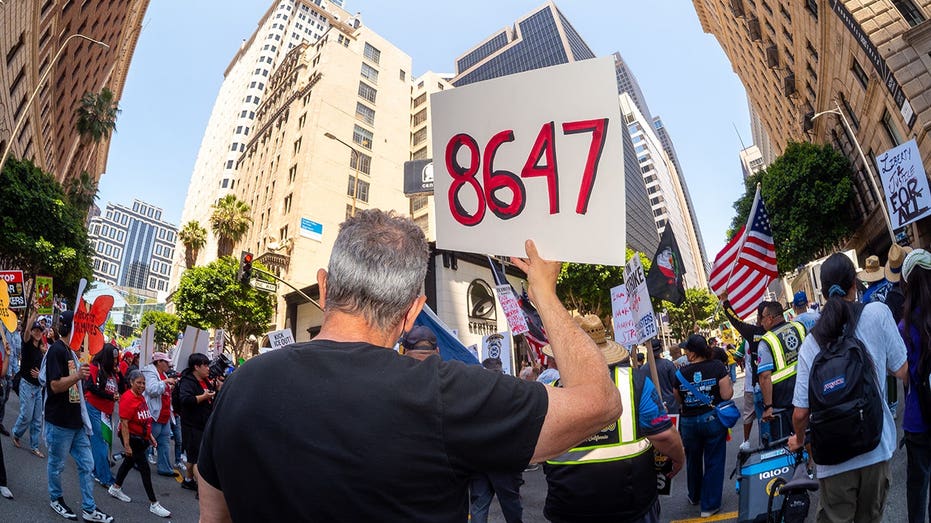
'86 47' slogan tied to James Comey resurfaces at May Day protests across US
travel
- by foxnews
- descember 09, 2016
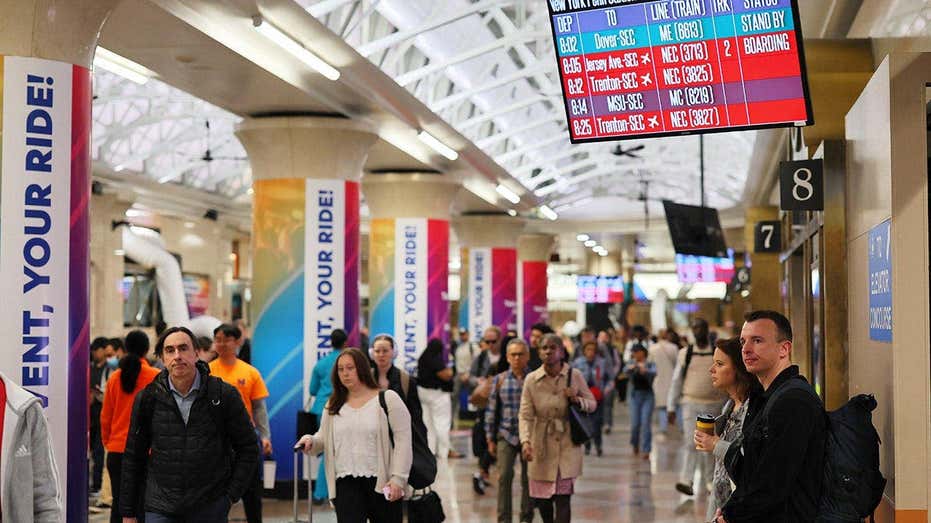
Major US city urges residents to work from home this summer for highly unusual reason
Officials urge New York and New Jersey commuters to work from home during 2026 World Cup matches, warning of extreme congestion across transit systems.
read more