- by foxnews
- 05 Aug 2026
The White House and Buckingham Palace: A special relationship
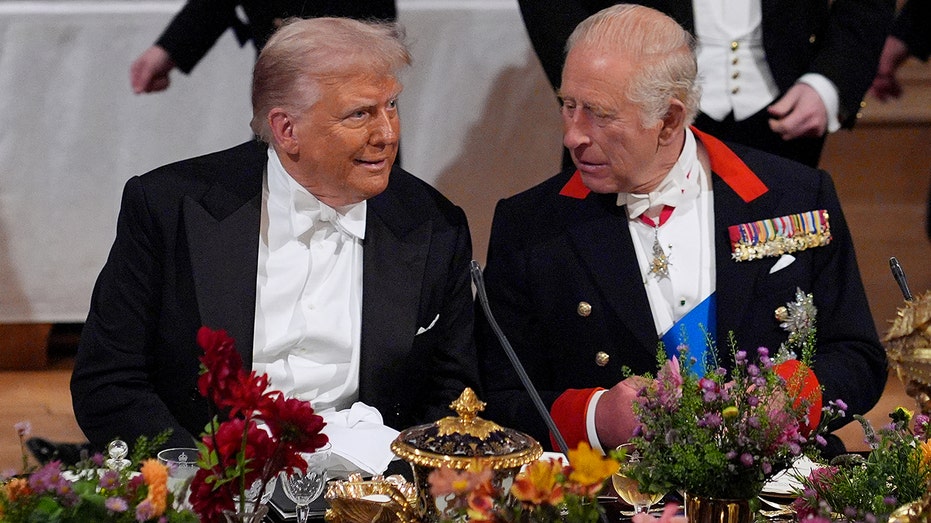
Ahead of King Charles' visit to Washington, D.C., a look at the centuries-long relationship between American presidents and the British monarchy.
1.9 k views
King George III, of course, was the villain in our story of the American Revolution, and he was still in the picture during the War of 1812, in which British troops burned the White House to the ground.
In the middle of the 19th century, Queen Victoria became a heroine to some, but a villainess to others, when she read the anti-slavery novel "Uncle Tom's Cabin" aloud to the royal family. Abolitionists may have liked this, but it was less favorably received in the slaveholding South.
By 1903, when former President Theodore Roosevelt broadcast the first transatlantic message over the radio, he directed it to Britain's King Edward VII, saying:
"In taking advantage of the wonderful triumph of research and ingenuity which has been achieved in perfecting a system of wireless telegraphy, I extend on behalf of the American people most cordial greetings and good wishes to you and all the people of the British Empire."
The U.S. still had a bit of an anti-royal chip on its shoulder, though. Roosevelt famously served hot dogs to the king and queen to show his connection to the common man.
Although the queen's role was now largely ceremonial, sometimes there was a diplomatic component to her visits as well. When she visited Eisenhower in 1957, she helped smooth over tensions that had emerged between Britain and the U.S. as a result of the Suez Crisis.
Charles is not a political ruler, but perhaps his visit, like his mother's in 1957, can smooth over tensions and help maintain the special relationship America has long had with the United Kingdom.
you may also like


- by foxnews
- 05 Aug 2026
WWE legend Brock Lesnar says he's retired after losing to Oba Femi at SummerSlam

travel
- by foxnews
- descember 09, 2016
Thousands swarm stunning mountain escape as selfie tourism backlash erupts online
Photos are showing massive shuttle lines at Tre Cime di Lavaredo in Italy as selfie tourism overwhelms one of the Dolomites' most iconic destinations for travelers.
read more