- by foxnews
- 22 Sep 2026
Why you should think twice before joining a power saver program
Despite the benefits, residential power saver programs come with several potential drawbacks and concerns that have been raised by both customers and experts.
1.4 k views
But it's not all that straightforward. I recently received an email from Leah, an HVAC professional based in Rio Rancho, New Mexico.
"I would like to see an article about the push for Smart Thermostats, and the convergence of the utilities' attempts to control air conditioning usage to conserve energy."
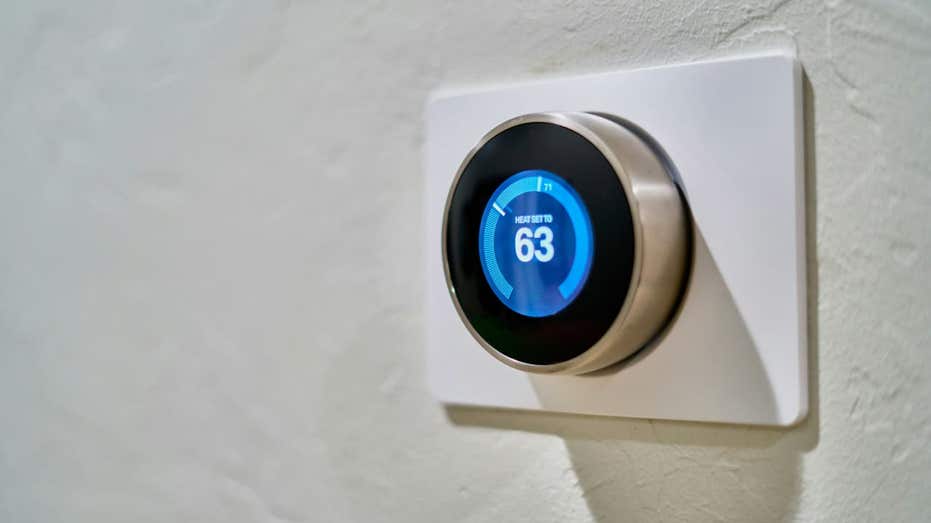
He pointed to a growing push for smart thermostats and what he sees as an effort by utilities to take more control over air conditioning use, all under the banner of energy conservation.
Let's discuss the power saver programs in detail, including their pros, cons and everything else you need to know.
Sign up for my FREE CyberGuy ReportGet my best tech tips, urgent security alerts, and exclusive deals delivered straight to your inbox. Plus, you'll get instant access to my Ultimate Scam Survival Guide - free when you join my CYBERGUY.COM/NEWSLETTER
Another method utilities use is controlling thermostats. You're asked to enroll your Wi-Fi smart thermostat in a bring-your-own-thermostat program. During a demand response event, the utility or program operator remotely raises the thermostat setpoint for a few hours. This causes the AC to run less. Most of these programs allow you to override the change via the thermostat or app; however, emergency events may temporarily disable this option.
Power saver programs provide several benefits for both participating consumers and the wider community. First, there are bill savings and incentives. Participants receive direct financial rewards, ranging from annual bill credits of up to $40 to up-front enrollment bonuses of $25-$100.
These programs also result in collective demand reduction during peak times, helping prevent grid overloads and blackouts. By coordinating energy reductions across thousands of homes, utilities can avoid firing up expensive peaker plants or purchasing high-priced electricity on the open market.
Reducing peak demand can also help avoid turning on older, more polluting fossil-fuel generators. That means fewer CO₂ emissions and lower air pollution on the hottest days, when health risks are already high.
Despite the benefits, residential power saver programs come with several potential drawbacks and concerns that have been raised by both customers and experts.
"In New Mexico, where I live and work, our electric utility, PNM, offers a 'Power Saver' program. Customers can opt in to have a box mounted to their condenser, which disrupts the signal between the furnace and the condenser during peak consumption hours, effectively shutting it down," Leah tells me.
"It's not great for the condenser, and we often get calls from customers who don't fully understand what they signed up for and are confused when their AC stops working. Now, there's a push to gain access to Wi-Fi-enabled thermostats to achieve the same goal. They want to control our ACs."
There are also technical concerns. Frequent short cycling of AC compressors can lead to increased wear and tear. Every startup strains the compressor motor, and repeated on-off cycles within a short period may reduce efficiency or shorten the unit's lifespan, although this depends on the system and the frequency of the events.
In Texas in 2021, many residents saw their smart thermostats rise above 78°F during an ERCOT conservation alert. They later found out they had unknowingly agreed to let utilities make temperature adjustments.
These programs also raise important data privacy concerns. Wi-Fi-enabled thermostats collect and transmit sensitive information, including occupancy patterns, temperature preferences and when a home is likely unoccupied.
Whether you're thinking about signing up or are already enrolled, these steps will help you stay in control, protect your comfort and avoid unwanted surprises:
Before you join any power saver or thermostat program, read the terms completely. Ensure you understand the extent of the utility's control, whether you can override changes and how frequently adjustments may occur. Always choose manual enrollment during smart home app setup instead of letting it enroll you automatically.
Use a Wi-Fi thermostat that makes it easy to override changes during demand response events. Many models let you opt out temporarily or permanently through the app or the device itself. Learn how to do this before a peak event occurs, so you're not caught off guard.
Find expert-reviewed smart thermostats that put you in control at Cyberguy.com/SmartThermostats
Turn on alerts from your utility so you receive notifications about peak demand events by email, text or app. Check your utility's website for schedules or forecasts and opt out in advance if needed. Staying informed gives you more control over how your system behaves.
Use strong passwords for your thermostat and home Wi-Fi. Turn on two-factor authentication (2FA) if available. Consider using a password manager to generate and store complex passwords.
Get more details about my best expert-reviewed Password Managers of 2025 at Cyberguy.com/Passwords
Keep your thermostat's software updated to protect it from potential security risks or remote interference.
If the program doesn't work for you, learn how to remove your thermostat from it. Utilities usually offer opt-out instructions through their website or app. You may also need to adjust settings or factory reset your thermostat.
For more ways to save on your power bill or to see if opting out makes sense for your budget, visit Cyberguy.com/SaveonPower
Keep an eye on how your AC performs during demand events. If you notice unusual behavior like frequent short cycling or your home becomes uncomfortably warm, it might be time to reconsider your participation.
For more ways on how to keep your home cool and comfortable, check out Cyberguy.com/KeepCool
Power saver programs can help reduce grid stress and offer small financial incentives, but they come with trade-offs. Customers may experience reduced comfort, equipment wear, and loss of control, sometimes without realizing they've opted in. There are also valid concerns around data privacy and security. These programs need clearer communication and better safeguards if they're going to be widely accepted.
Is the promise of energy savings worth giving up privacy and control over your home's temperature? Let us know by writing to us at Cyberguy.com/Contact
Sign up for my FREE CyberGuy ReportGet my best tech tips, urgent security alerts, and exclusive deals delivered straight to your inbox. Plus, you'll get instant access to my Ultimate Scam Survival Guide - free when you join my CYBERGUY.COM/NEWSLETTER
Copyright 2025 CyberGuy.com. All rights reserved.
you may also like



- by foxnews
- 22 Sep 2026
Italian PM pushes foreign student cap in classrooms, burqa, niqab ban in schools

travel
- by foxnews
- descember 09, 2016
Americans warned again to rethink travel as missile attack rattles historic region
A Houthi ballistic missile targeting Riyadh over the weekend prompted the State Department to renew warnings to Americans of potential flight cancellations and airspace closures in key areas.
read more