- by foxnews
- 03 Apr 2026
3 key takeaways from Trump's push to put US oil firms back in Venezuela
Following Maduro's capture, Venezuela's oil industry could reshape global energy. Trump wants US companies to invest in world's largest reserves.
1.2 k views
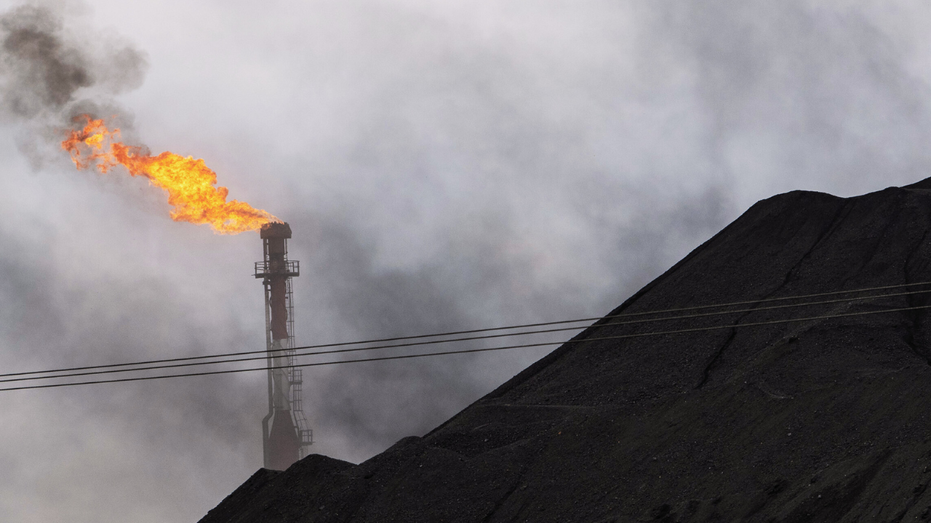
Following the dramatic capture of Venezuelan President Nicolás Maduro, the United States is now positioned to exert significant influence over the future of the world's largest oil reserves.
Here are three key takeaways:
Venezuela, a country almost twice the size of California, sits atop extraordinary wealth.
A key reason: much of Venezuela's oil is difficult and expensive to extract.
The country's reserves are dominated by heavy and extra-heavy crude, which is costly to extract and relies on specialized equipment and refining capacity that have deteriorated after years of underinvestment, U.S. sanctions and political instability.
Similar dynamics have unfolded in countries such as Iran and Libya, where turmoil, financial distress and crumbling infrastructure have kept vast reserves locked underground.
As a result, scaling operations back up would require significant time, capital and technical expertise, with any production increase likely to be gradual rather than immediate.
Decades of political instability, shifting regulations and U.S. sanctions have made Venezuela a high-risk environment for long-term investment.
The move drove some of the world's largest oil companies out of the country.
ExxonMobil and ConocoPhillips exited Venezuela in 2007 and later filed claims against the government in international arbitration courts. Those courts ultimately ruled in favor of the companies, ordering Venezuela to pay ConocoPhillips more than $10 billion and ExxonMobil more than $1 billion. The cash-strapped country has paid only a fraction of those awards.
That history looms over Trump's latest proposal.
Trump said on Saturday he would seek to revive the once-prominent commodity by mobilizing investment from major U.S. energy companies.
"We are going to have our very large United States oil companies go in, spend billions of dollars, fix the badly broken oil infrastructure and start making money for the country," Trump said during a news conference at Mar-a-Lago.
It remains unclear whether U.S. energy companies are prepared to do so. American firms have yet to say whether they plan to return to Venezuela to resurrect an oil industry hollowed out by years of neglect.
Chevron, the only U.S. oil titan operating in Venezuela, said in a statement to Fox News Digital that it was following "relevant laws and regulations."
"Chevron remains focused on the safety and well-being of our employees, as well as the integrity of our assets," a Chevron spokesperson added.
ConocoPhillips wrote in a statement to Fox News Digital that it is monitoring the developments in Venezuela as well as the "potential implications for global energy supply and stability."
"It would be premature to speculate on any future business activities or investments," a spokesperson for ConocoPhillips added.
ExxonMobil, the largest U.S. oil company, did not immediately respond to a request for comment.
As U.S. and European companies withdrew from Venezuela, Russia, China and Iran expanded their footprint in the country's energy sector, using financing, fuel shipments and technical support to maintain influence.
For the Trump administration, the outcome has underscored an uncomfortable trade-off: restricting access to U.S. markets can limit revenue for sanctioned governments, but it can also push them deeper into the orbit of strategic rivals, turning energy policy into a front line of geopolitical competition.
you may also like
- by foxnews
- 03 Apr 2026
Trump calls on world to build 'delayed courage,' seize key oil route from Iran
travel
- by foxnews
- descember 09, 2016
Hidden NYC tunnel tied to Underground Railroad at risk of 'significant damage,' advocates warn
Engineers warn an Underground Railroad passageway found at NYC's Merchant's House Museum in Manhattan is threatened by a proposed nine-story development next door.
read more