- by foxnews
- 01 May 2026
TEVI TROY: Trump faces the burdens of a wartime presidency
How war reshapes the presidency: Trump's conflict with Tehran mirrors the experiences of Wilson, FDR, Johnson and Bush as wartime leaders, experts say.
1.1 k views
Woodrow Wilson ended a four-cycle Republican winning streak by winning the three-way election of 1912. He did so because his two opponents, former president Teddy Roosevelt and incumbent president William Howard Taft, split the Republican vote. As president, Wilson embarked on an aggressive progressive domestic policy agenda. Things changed when World War One broke out in Europe midway through Wilson's first term. Wilson then ran for reelection in 1916 promising to keep America out of the conflict, even using the slogan "He kept us out of war." He did not keep that promise, though, as America entered the war in 1917, during the first year of his second term.
Lyndon Johnson came to office unexpectedly after the tragic assassination of John F. Kennedy. He took over in peacetime and began pursuing his dream of a Great Society - a sweeping domestic agenda to rival Roosevelt's New Deal.
As he managed to pass his ambitious - and costly - domestic agenda, he soon found himself and his administration consumed by the conflict in Vietnam. The experience was so draining that by 1968, Johnson, who had spent his whole life pursuing the presidency, shocked the world by refusing to seek re-election.
This sort of thing has also happened in previous presidencies. In the early years of Wilson's administration, Wilson was reliant on the advice of Texan political operative Colonel Edward House, who was so close to the president that he even lived in the White House. Things changed during the war, however, as internal critics in the State Department and the White House pushed back against House's broad mandate managing the war. Wilson and House also clashed over the Versailles Treaty, which led to a permanent end to their once close relationship.
In the Bush administration, the Iraq war set off a bureaucratic civil war inside Bush's national security team. This internal struggle led to the Valerie Plame affair, which brought about the indictment of Vice President Cheney's top aide Scooter Libby after the exposure of the name of a covert CIA operative. Libby, however, had not leaked her name; his bureaucratic nemesis Dick Armitage was the leaker, and Armitage shamefully stayed silent about his role during the investigation. The episode showed the degree to which the higher stakes brought about by war can roil an administration, not to mention innocent lives.
War also takes a personal toll on presidents. Sometimes it leads to behavioral changes. In 2003, Bush gave up playing golf, one of his few outlets for escaping the pressures of the presidency. He said years later that he was unwilling to be seen on the links while American soldiers were dying in Iraq. As he explained in 2008, "I don't want some mom whose son may have recently died to see the commander-in-chief playing golf." It was a quietly devastating admission about the weight a wartime president carries every day.
While these examples may seem harrowing, there is one also instructive counterexample.
George H.W. Bush entered the Gulf War with a limited objective, built a broad international coalition for expelling Saddam Hussein from Kuwait, achieved that objective, and got out. Bush's national security team was extraordinarily disciplined and cohesive. The war did not appear to fundamentally damage Bush's presidency or his person. Yet even Bush could not escape the political gravity of wartime leadership - he was perceived as so focused on foreign affairs that he lost touch with a domestic economy in recession, leading to what many believed was highly improbable when Bush had a 91% approval rating on the way: His defeat at the hands of Bill Clinton in 1992.
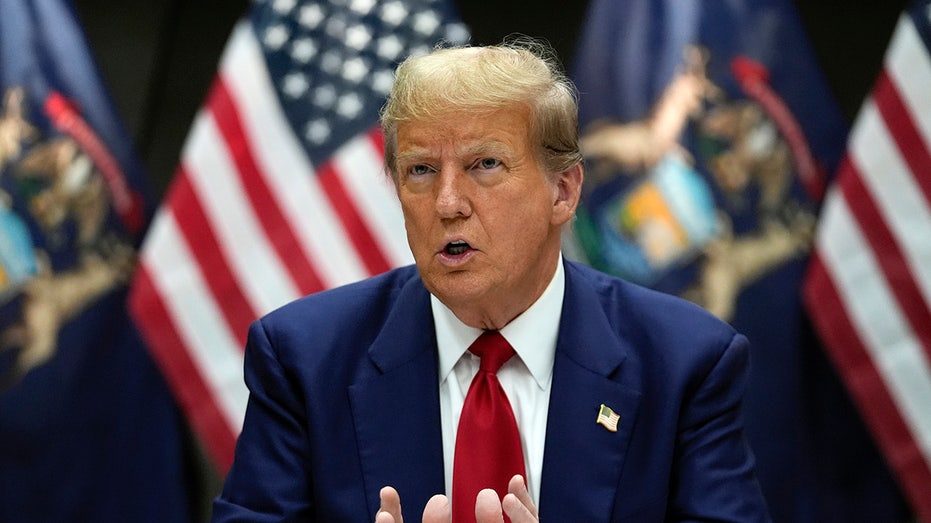
The lesson here is not that presidents should shrink from the use of force. President Trump has shown courage in taking on one of the most murderous and predatory regimes in the past half century. The decision to go to war is the most difficult decision a president must make. It costs lives and changes the world in unpredictable ways. And even before the end is reached, it changes the president, his staff, and his agenda, testing his character and taxing his body and soul in ways that cannot be fully anticipated.
you may also like

- by foxnews
- 01 May 2026
Jasmine Crockett backs Colin Allred in Texas Democratic US House primary runoff

travel
- by foxnews
- descember 09, 2016
Popular tourist hot spot moves to strip beaches of sunbeds and umbrellas in tough new ban
Greece is cracking down on beach restrictions, banning sunbed rentals and commercial activity to preserve coastal areas. The new list is at 250 protected beaches.
read more