- by foxnews
- 02 Apr 2026
The economic policies shaping Trump's return to the White House
From sweeping tax legislation and aggressive trade policy to rising borrowing costs and legal challenges, Trump's first year back in the White House has reshaped the economic landscape.
1.5 k views
In his first year back in office, Trump moved quickly to translate that agenda into policy, reviving and expanding key initiatives that affected fiscal policy, trade and household finances.
Here's a look at some of his key economic policies so far.
Central to Trump's economic agenda, his trade policy relies heavily on tariffs as a tool to generate revenue and exert leverage over foreign trading partners.
Since Trump announced his "Liberation Day" tariffs in April, total duty revenue reached $215.2 billion in fiscal year 2025, which ended Sept. 30, according to the Treasury Department's Customs and Certain Excise Taxes report.
Trump administration officials argue the tariffs will reduce chronic trade imbalances, revive U.S. manufacturing and strengthen national security. Critics, however, warn that higher tariffs could raise costs for American consumers and invite retaliation from U.S. trading partners - risks they say are not reflected in the budget's assumptions.
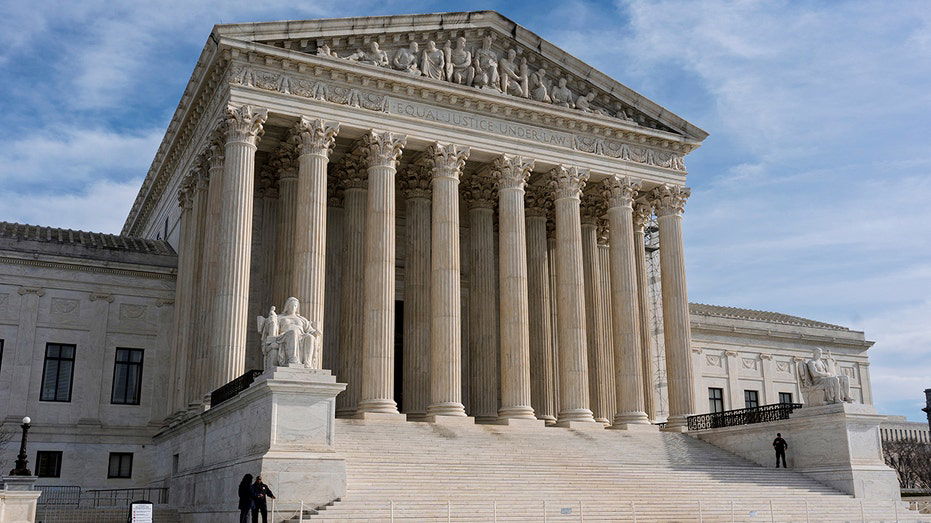
Trump has described the cases as "life or death" for the nation's economic and national security agenda.
Individuals can contribute up to $5,000 per year to a Trump account. The accounts are funded through a combination of federal seed money, private contributions from families and, when applicable, supplemental deposits from employers or nonprofit organizations.
The program is scheduled to become available in mid-2026, with initial contributions beginning after July 4, 2026.
The money is largely locked in until the child reaches adulthood. During what the IRS calls the "growth period" - from birth until Jan. 1 of the year the child turns 18 - funds generally cannot be withdrawn, even in cases of financial hardship.
The Department of Treasury estimates that the Trump accounts could accumulate into a seven-figure balance by early adulthood if families maximize contributions and allow the funds to grow.
Even without additional contributions beyond the federal government's initial $1,000 deposit, Treasury estimates the account could grow to between $3,000 and $13,800 over 18 years.
While the Fed doesn't set the price of groceries or cars, its interest-rate decisions heavily influence how expensive it is to borrow money - and for now, borrowing remains costly.
Elevated rates have pushed up monthly payments on mortgages, car loans and credit cards, even when the price of a home or vehicle hasn't changed. As a result, everyday life can still feel more expensive.
That dynamic has become a political vulnerability for Trump, as high borrowing costs in the housing and auto markets continue to fuel voter frustration.
Powell, who Trump appointed in 2017, is set to complete his term in May 2026, keeping the standoff between the White House and the central bank firmly in place.
you may also like



travel
- by foxnews
- descember 09, 2016
Birth tourism industry thrives in Miami as Supreme Court showdown gets underway
Birth tourism is a booming concierge industry as Trump's Executive Order 14160 on birthright citizenship faces a Supreme Court challenge in a major case.
read more