- by foxnews
- 07 Apr 2026
120,000 fake sites fuel Amazon Prime Day scams
Amazon Prime Day shoppers face threats from 120,000-plus scam websites as cybercriminals prepare phishing traps and malware ahead of the July sales event.
- by foxnews
- 07 Jul 2025
- in technology

1.6 k views
Security researchers have uncovered more than 120,000 fake Amazon websites designed to scam excited shoppers during the retail giant's annual shopping event.
With sales set to begin July 8 and run through July 11, the timing couldn't be more sinister. These scam websites, filled with phishing traps, malware and fake products, were created in the past two months, just in time for the Prime Day rush.
While Amazon hasn't released a formal statement yet, the company maintains ongoing efforts to detect and remove fraudulent listings and suspicious domains. Amazon also reminds customers that it will never ask for payment via email or phone, nor request gift cards as a form of payment. Even so, the burden of protection often falls on consumers. Knowing what to watch for can make all the difference.
Staying safe during Prime Day means slowing down and thinking before you click. Below are key ways to protect your personal and financial information from Amazon Prime Day scams.
Always make your purchases through Amazon.com or the official Amazon app. Avoid clicking on links from texts, emails, social media posts or pop-up ads, even if they appear to come from Amazon. Scammers often use lookalike pages to steal your information. The best way to safeguard yourself from malicious links that install malware, potentially accessing your private information, is to have antivirus software installed on all your devices. This protection can also alert you to phishing emails and ransomware scams, keeping your personal information and digital assets safe.
Amazon will never call and ask for your login credentials, passwords or personal details. If you get a call that pressures you to "verify your account," hang up. It's a scam.
No legitimate Amazon representative will ask you to pay using gift cards. If someone instructs you to buy a gift card and to send them the code, it's 100% a scam. End the conversation immediately.
Scammers create fake websites with small, easy-to-miss spelling differences, like arnazon.com or amaz0n-sale.com. Before you enter any sensitive info, take a second to look closely at the web address.
Regularly update your computer, smartphone, and the Amazon app to patch security vulnerabilities. Cybercriminals often exploit outdated software to gain access.
Public Wi-Fi networks can be insecure. Try to shop on Amazon using your private, secure internet connection rather than public Wi-Fi to reduce the risk of data interception.
After making purchases, keep an eye on your financial statements for any unauthorized or suspicious charges. Early detection can minimize damage.
If a deal looks unbelievably cheap or comes from an unfamiliar seller, double-check the product reviews and seller ratings on Amazon. Scammers often lure buyers with unrealistic prices.
Amazon Prime Day scams are growing more sophisticated, and the sheer scale of fake websites, over 120,000, is alarming. But by staying alert, verifying websites, and following safe shopping habits, you can protect yourself and still take advantage of the sales. Remember, if a deal seems too good to be true, it probably is. Pause, check, and think before you click, and you'll stay one step ahead of the scammers.
Copyright 2025 CyberGuy.com. All rights reserved.
you may also like

- by foxnews
- 07 Apr 2026
Amazon job text scam warning signs

- by foxnews
- 06 Apr 2026
Humanoid robot shows speed and real skill



travel
- by foxnews
- descember 09, 2016
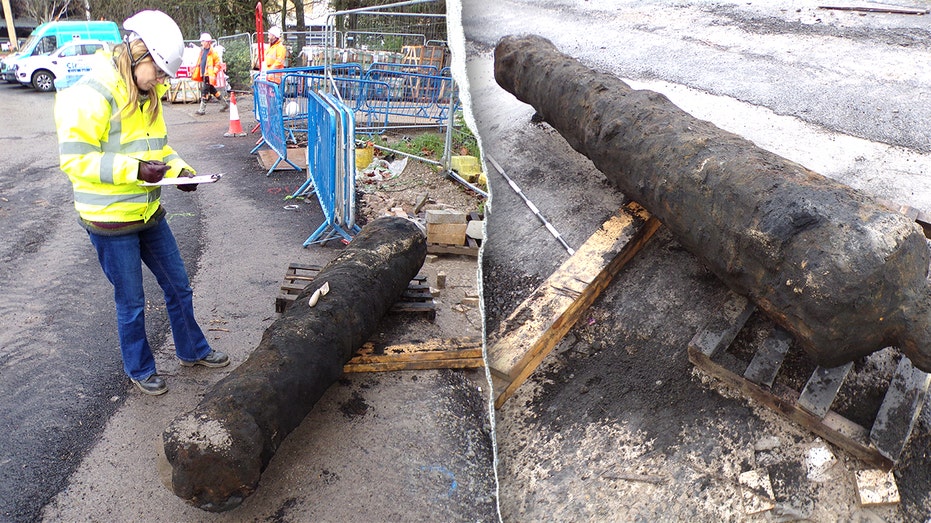
Construction crew unearths surprising 300-year-old cannon while digging in historic city
In only the third such discovery in 30 years, according to archaeologists, construction workers in Kingston upon Hull unearthed a rare 300-year-old cast-iron cannon.
read more