- by foxnews
- 02 Apr 2026
AI robot performs gallbladder surgery autonomously
Johns Hopkins researchers developed a surgical robot that understands commands and performs operations independently, potentially transforming healthcare access.
- by foxnews
- 20 Jul 2025
- in technology
1.9 k views
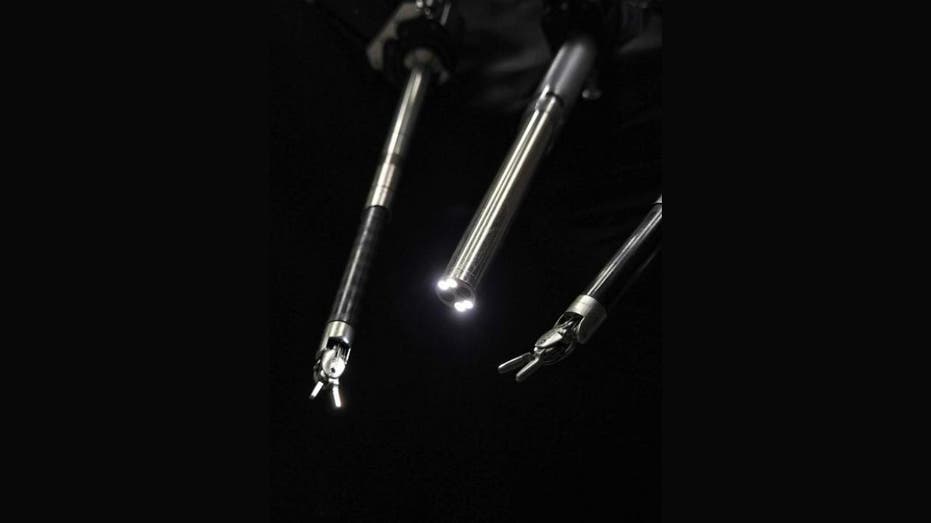
For the first time, an autonomous surgical robot completed a key phase of gallbladder removal on a lifelike patient. It worked independently and adapted in real time to unexpected challenges.
Sign up for my FREE CyberGuy ReportGet my best tech tips, urgent security alerts and exclusive deals delivered straight to your inbox. Plus, you'll get instant access to my Ultimate Scam Survival Guide - free when you join my CYBERGUY.COM/NEWSLETTER
What sets SRT-H apart is its ability to respond to voice commands from the surgical team. For example, the robot can understand instructions like "grab the gallbladder head" or "move the left arm a bit to the left." This interactive feedback loop enables the robot to learn and self-correct, much like a surgical resident guided by a mentor.
During trials, SRT-H demonstrated remarkable adaptability. It performed the 17-step gallbladder removal process with 100% accuracy, even when researchers altered its starting position or changed the appearance of tissues using blood-like dyes. The robot's performance matched that of skilled human surgeons, handling unexpected scenarios with composure and precision.
"This advancement moves us from robots that can execute specific surgical tasks to robots that truly understand surgical procedures," said Axel Krieger, lead researcher at Johns Hopkins University.
Traditional surgical robots have made procedures less invasive, but they still rely heavily on human control. The autonomous surgical robot represents a step forward by combining mechanical precision with the ability to adapt and make decisions in real time. This technology could one day lead to fully autonomous surgeries, potentially improving outcomes and expanding access to high-quality surgical care worldwide.
The success of SRT-H in gallbladder surgery is just the beginning. Researchers plan to train the robot on a wider range of procedures and further enhance its capabilities. The ultimate goal is a robot that can perform entire surgeries autonomously, adapting to the unique anatomy and challenges of each patient.
If you've ever faced a long wait for surgery or worried about human error in the operating room, this breakthrough could directly affect your care. Autonomous surgical robots like SRT-H promise faster procedures, fewer complications and better access, especially in rural or underserved areas. With their ability to learn from real surgeries and adjust in real time, these robots could support overworked surgical teams and help reduce burnout.
For patients, that means more consistent outcomes and shorter recovery times. While fully autonomous surgery isn't available in U.S. hospitals just yet, the technology is moving fast. What happened in a research lab today could be part of your next hospital visit sooner than you think.
If a robot can perform surgery with the skill of a top surgeon, would you trust an AI machine to operate on you or your loved ones? Let us know by writing us at Cyberguy.com/Contact
Sign up for my FREE CyberGuy ReportGet my best tech tips, urgent security alerts and exclusive deals delivered straight to your inbox. Plus, you'll get instant access to my Ultimate Scam Survival Guide - free when you join my CYBERGUY.COM/NEWSLETTER
Copyright 2025 CyberGuy.com. All rights reserved.
you may also like

- by foxnews
- 02 Apr 2026
Banking tech data breach exposes 672K in ransomware attack

- by foxnews
- 01 Apr 2026
10 things to stop paying for to save money now




travel
- by foxnews
- descember 09, 2016
Birth tourism industry thrives in Miami as Supreme Court showdown gets underway
Birth tourism is a booming concierge industry as Trump's Executive Order 14160 on birthright citizenship faces a Supreme Court challenge in a major case.
read more