- by foxnews
- 02 Apr 2026
Got a suspicious bank text? Here's how to tell if it's a scam
Learn to spot fake bank text messages with five warning signs of Chase phishing scams, including suspicious links and urgent deadlines designed to steal your account information.
- by foxnews
- 19 Jul 2025
- in technology
1.8 k views
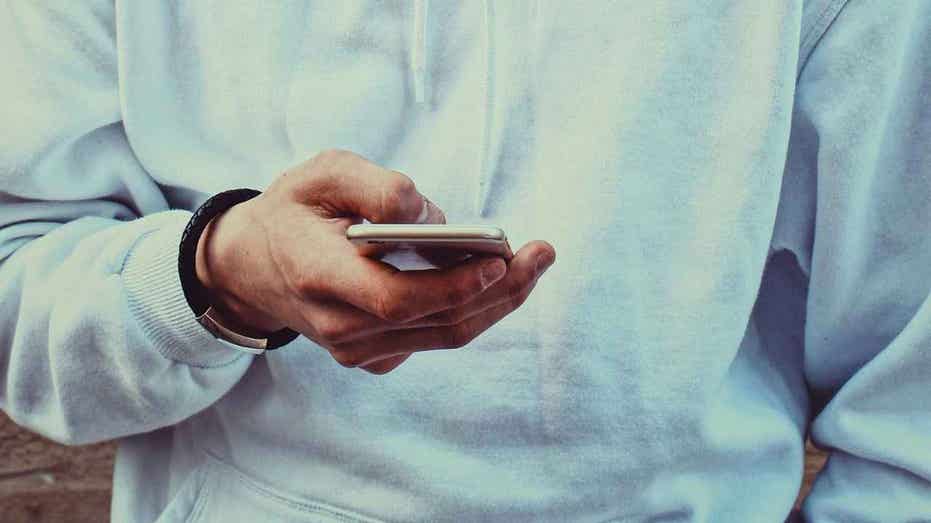
If you get a text claiming to be from your bank, especially one asking you to act fast, it might be a scam.
Bill from Idaho, recently emailed us to share his experience after receiving a convincing scam text that almost fooled him. Here's what happened and what you can do to protect yourself.
Dear Chase Customer,
Our security systems have detected potential unauthorized activity on your account. To safeguard your financial information and maintain the security of your account, we kindly request immediate verification. Please verify your account details using the secure verification link below:
This verification must be completed within two hours to avoid temporary account restrictions.
"I didn't click the link, thankfully," Bill told us. "But since I'm a Chase customer, it made me pause." He reached out to the bank directly and was told the message was a scam.
Scammers are getting better at writing messages that look official, but there are still signs you can watch for.
Phishing texts often say you have a limited time to act. This tactic is designed to make you panic and click without thinking.
A real Chase message wouldn't use a shortened URL like bit.ly. Always inspect links closely, but never click on them if you're unsure.
Scam messages may look polished, but often include awkward phrases or formatting.
Banks don't ask for personal information or login details by text. If they need you to take action, they'll direct you to log in securely through their app or website.
If a message says "Dear customer" instead of using your name, that's a red flag.
If you ever get a text like this, follow these steps:
You can take a few proactive steps to reduce your risk of falling for a Chase scam text-or any phishing attempt. These strategies can help you stay one step ahead.
Don't click on links in unsolicited texts or emails, even if they look official. Use a strong antivirus or mobile security app to help block malicious links and detect potential threats. The best way to safeguard yourself from malicious links that install malware, potentially accessing your private information, is to have antivirus software installed on all your devices. This protection can also alert you to phishing emails and ransomware scams, keeping your personal information and digital assets safe.
Enable spam filters in your phone's messaging settings. Most modern smartphones have built-in options to block known scam numbers and filter unknown senders.
Use two-factor authentication (2FA) on your banking, email, and financial accounts. Even if a scammer gets your login info, 2FA makes it harder for them to access your data.
Use a personal data removal service to reduce the amount of personal information available about you online. Scammers often pull names, phone numbers and even bank affiliations from these public databases.
Only use the official Chase app or website to check your account or respond to alerts. Never trust links sent via text or email unless you've confirmed their legitimacy.
Stay cautious with any message that pressures you to act immediately or share personal details. Scammers use urgency to short-circuit your judgment.
Even if you haven't clicked anything suspicious, make it a habit to check your accounts regularly for unusual transactions.
Scammers often target people who may not be familiar with digital threats. Share these tips with parents or grandparents to help them stay safe too.
Bill made the smart move. He didn't click the link and confirmed the message with Chase. That one step helped him avoid what could have been a serious security issue. Scammers are using more realistic tactics every day, but you don't have to fall for them. When something feels off, trust your instincts. Always go straight to the source, and never let urgency rush you into clicking a suspicious link.
Copyright 2025 CyberGuy.com. All rights reserved.
you may also like

- by foxnews
- 02 Apr 2026
Banking tech data breach exposes 672K in ransomware attack
- by foxnews
- 01 Apr 2026
10 things to stop paying for to save money now



travel
- by foxnews
- descember 09, 2016
Birth tourism industry thrives in Miami as Supreme Court showdown gets underway
Birth tourism is a booming concierge industry as Trump's Executive Order 14160 on birthright citizenship faces a Supreme Court challenge in a major case.
read more