- by foxnews
- 09 May 2026
Maryland moves to ban surveillance pricing in grocery stores
Maryland will become the first U.S. state to ban surveillance pricing at grocery stores, with the new law set to take effect on October 1, 2026.
- by foxnews
- 28 Apr 2026
- in technology

1.1 k views
That scenario sounds like a conspiracy theory. It isn't. Retailers have been quietly using this kind of pricing for years, and now one state has finally had enough.
Sign up for my FREE CyberGuy Report
Surveillance pricing goes by a few names: dynamic pricing and personalized pricing are the common ones, but the concept is the same regardless of what you call it.
One Kroger shopper in Oregon decided to find out exactly what her grocery store knew about her. She submitted a data request under a state privacy law and received a 62-page profile in return. Most of the inferences in that profile were wrong. That's the part that should make your stomach drop. Retailers are charging people based on guesses, and those guesses are frequently inaccurate.
The Protection from Predatory Pricing Act sets some clear ground rules for large grocery retailers. Stores must keep their prices fixed for at least one full business day. That eliminates the possibility of prices spiking by the hour based on demand signals or individual shopper data.
Brick-and-mortar surveillance pricing gets most of the attention, but the same issue shows up in online grocery shopping.
Consumer Reports ran an investigation into Instacart's pricing practices last December. Nearly 400 shoppers purchased the same basket of groceries from the same stores at the same time. The price differences were striking. Depending on the product, shoppers were paying up to 23% more than other shoppers for identical items. Across a full year of shopping, those gaps could add up to more than $1,200 per household.
After the investigation went public, Instacart announced it was ending the program responsible for those discrepancies. That outcome matters. It shows that consumer pressure and public scrutiny can drive real changes, even before a law requires them.
What happens next in those states will be telling. Advocates are hoping they avoid the exemptions that weakened Maryland's version. Each new bill is an opportunity to close the loopholes the retail industry has worked hard to create.
No matter where you live, this law matters to your wallet. If you shop in Maryland, the change is immediate. Starting October 1, 2026, you have a legal right to the same shelf price as every other shopper who walks in that day, regardless of what data the store has collected on you. If you shop anywhere else in the country, pay attention because your state may not be far behind. California, Colorado, Illinois, New Jersey and other states are exploring similar legislation, while New York has already taken steps toward pricing transparency. The momentum is real, and Maryland just handed those states a working template to build from.
That said, wherever you shop right now, the exemptions in Maryland's law are worth understanding. The Maryland Retail Alliance pushed hard against this bill and successfully carved out several exceptions during the legislative process. Consumer Reports flagged one irony in particular: loyalty program prices are exempt, which means stores could shift pricing in ways that favor members and potentially disadvantage non-members, effectively punishing non-members rather than rewarding members.
For a major grocery chain generating hundreds of millions in revenue, those fines barely register.
Take my quiz: How safe is your online security?
Sign up for my FREE CyberGuy Report
you may also like

- by foxnews
- 09 May 2026
Global scam crackdown leads to 276 arrests

- by foxnews
- 09 May 2026
Fox News AI Newsletter: How Disney fans will experience AI


travel
- by foxnews
- descember 09, 2016
FBI tracks down centuries-old Christian artifact in unexpected place: 'Incredibly exciting'
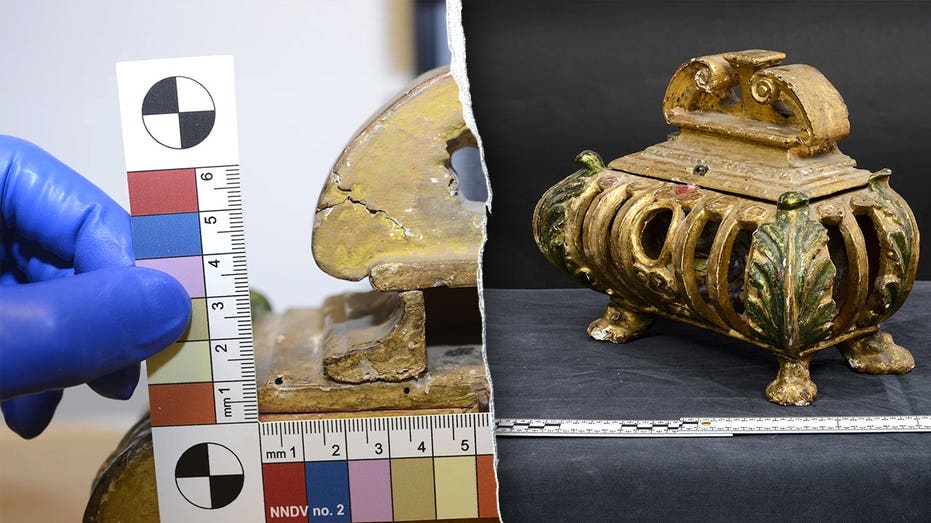
FBI agents recovered a stolen 17th-century Italian reliquary urn from a New England antiques dealer, returning it to Italy in a formal ceremony. The urn had been discovered missing in 2022.
read more