- by foxnews
- 16 Jul 2026
Rescue robot of tomorrow may be a cockroach in scuba suit
The flexible diving suit lets cyborg cockroaches survive underwater for up to three hours, opening new possibilities for flood and earthquake rescue.
- by foxnews
- 16 Jul 2026
- in technology
1.1 k views
A cockroach in a tiny scuba suit sounds like something you would run from, not something you would send into a disaster zone. Yet scientists say this strange little setup could one day help rescue teams search places people and larger robots cannot safely reach.
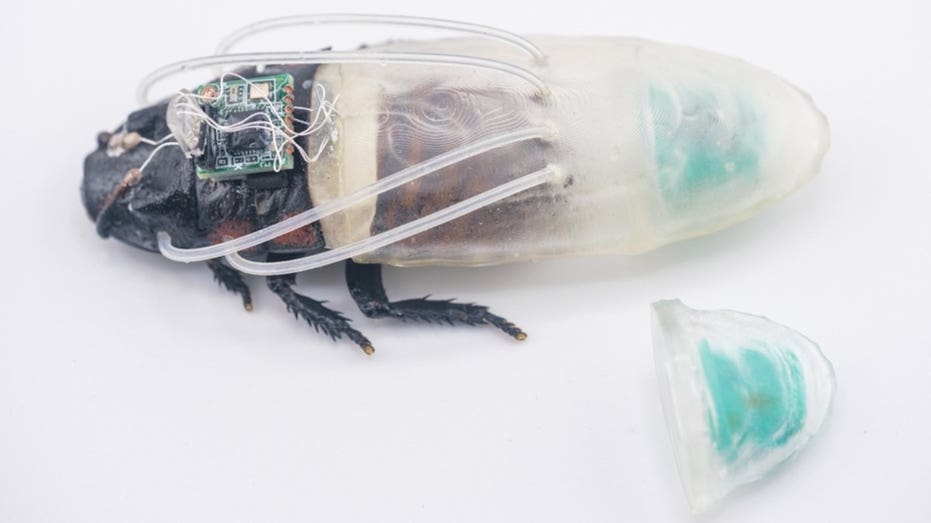
Researchers from NTU Singapore and Waseda University have developed a flexible diving suit for cyborg cockroaches. The suit lets the insects survive and move underwater, as well as through low-oxygen spaces, for up to three hours.
Free live CyberGuy class: Sick of Spam? Join us July 22
Join us Wednesday, July 22, at 1 PM ET for a free CyberGuy Live class that will help you cut down on robocalls, spam texts, junk email and other unwanted messages. Kurt "CyberGuy" Knutsson will walk you step by step through simple ways to filter spam, clean up your inbox and recognize the messages that could put your personal information at risk. No technical experience is needed. You'll also receive our spam-stopping checklist, and every registrant will get a link to the class recording afterward.
Reserve your free spot today at CyberGuyLive.com.
That is where the cyborg cockroach diving suit comes in. The suit has an oxygen-generation tank, a flexible waterproof shell and four silicone oxygen tubes. Together, those parts keep water out while sending oxygen directly to the cockroach's breathing openings.
With the diving suit, the cyborg cockroaches stayed active underwater for up to three hours. Without the suit, a control cockroach suffocated within about two minutes during testing. The researchers also tested the insects in plastic tunnels that simulated tough rescue conditions. One setup included a carbon dioxide-filled section followed by a water-filled section. The cyborg cockroaches wearing the suit made it through.
The team also tested narrow underwater gaps. With implanted electronics instead of a bulky backpack, the cyborg cockroach moved through a 2-centimeter-high crevice. That is the kind of space where many small robots could get stuck.
That could help after heavy rain, earthquakes or infrastructure failures. Future versions could inspect flooded pipes, drains, tunnels or damaged buildings. The researchers are still improving the system. They want to test it in more disaster-style environments, make the suit more durable and add sensors and navigation tools for field use.
You probably will not see cyborg cockroaches crawling around your neighborhood anytime soon. This is still research, not a rescue tool ready for everyday emergency crews.
However, it shows where search technology may be heading. Rescue teams need tools that can reach places humans cannot safely enter. If a small living insect can carry electronics, move through rubble and keep going underwater, it could become part of a larger rescue system.
That could eventually mean faster inspections after floods, better access inside damaged buildings and more options when every minute counts.
Would you be comfortable with cyborg insects being used in search-and-rescue missions if they could help find people faster? Let us know by writing to us at Cyberguy.com
Sign up for my FREE CyberGuy Report
Copyright 2026 CyberGuy.com. All rights reserved.
you may also like


- by foxnews
- 16 Jul 2026
Apple AI security update proves hackers move fast

- by foxnews
- 16 Jul 2026
Google turns old phones into cloud servers




travel
- by foxnews
- descember 09, 2016
Tourist's church clothing hack leaves travelers sharply divided over sacred-site etiquette
A viral TikTok video shows a traveler layering on a skirt and scarf before entering churches in Italy, sparking heated debate over tourist etiquette at sacred sites.
read more