- by foxnews
- 22 Feb 2026
Spotify playlists are being hijacked to promote pirated software and scams
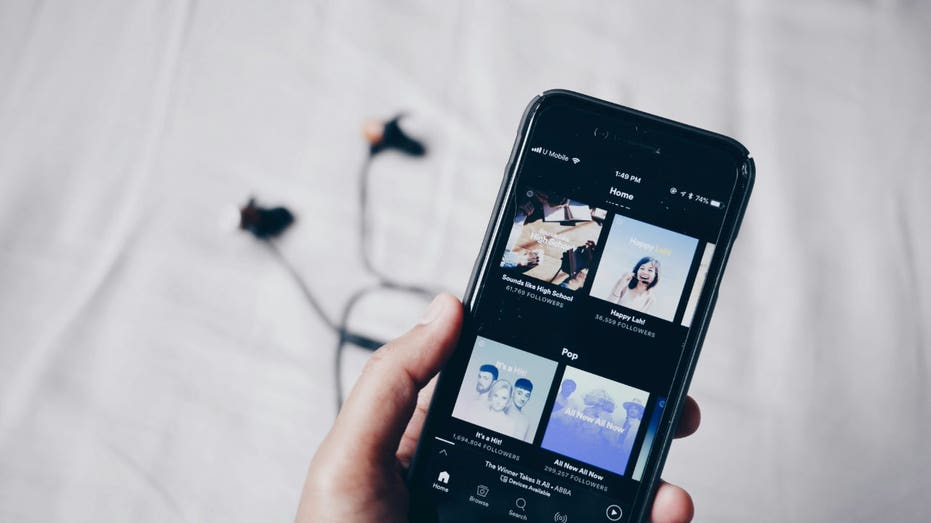
Spammers have found a way to target Spotify playlists and podcasts to push pirated software, cheat codes for games and spam links and malware sites.
- by foxnews
- 29 Nov 2024
- in technology
1.6 k views
In case you didn't know, Spotify allows you to create public playlists that anyone can save and listen to. You'd think this is a harmless feature, but spammers have found a way to misuse it.
These keywords are designed to align with popular search terms. Since Spotify's web player pages are indexed by search engines like Google, these spammy results appear in user searches, driving traffic to their links. For example, a Spotify playlist titled "Sony Vegas Pro 13 Crack…" was found promoting "free" software sites in its title and description, directing users to questionable external links.
The main goal of this scam is to use Spotify's trusted reputation and search engine visibility to get people to click on shady links and visit sketchy websites. Scammers make money through fake ad clicks, bogus surveys and affiliate links, while also spreading malware by tricking users into downloading harmful software or extensions.
They also try to steal personal info through fake sign-up forms or phishing pages, which can lead to identity theft or be sold to others. By using Spotify's indexed pages, they boost the search rankings of their spam sites, reaching more people. Some of these sites even run extra scams like fake crypto giveaways or phishing attempts to grab even more money or data from unsuspecting users.
1. Avoid clicking on suspicious links: Be cautious when you come across playlists or podcasts with titles like "Sony Vegas Pro 13 Crack" or other promises of free software, audiobooks or game cheats. These often include links in the description that redirect to unsafe sites hosting malware, adware or phishing pages.
2. Stick to official sources: Always download software, eBooks or other digital content from trusted official websites or reputable platforms. If you see a Spotify playlist or podcast offering "free" versions of paid content, it's likely a scam. Cross-check the legitimacy of the content through known channels instead of relying on unverified links.
4. Be skeptical of synthesized speech and short episodes: Many scam podcasts feature short episodes (10-20 seconds) with synthesized speech directing you to click on a link in the description. These are a common tactic used to trick users into visiting unsafe pages. If the content feels automated, vague or overly promotional, it's best to avoid it.
5. Verify curator credentials: Check the credentials of playlist curators. Legitimate curators usually have a verifiable online presence. If you can't find any information about them, it's best to avoid engaging with them.
6. Recognize phishing attempts: Be cautious of emails claiming to be from Spotify that ask you to confirm account details or click on suspicious links. These are often phishing attempts designed to steal your credentials.
Follow Kurt on his social channels:
Answers to the most asked CyberGuy questions:
New from Kurt:
Copyright 2024 CyberGuy.com. All rights reserved.
you may also like


- by foxnews
- 21 Feb 2026
China's robotics giant puts 200 robots to the test

- by foxnews
- 21 Feb 2026
Fox News AI Newsletter: AI giant moves HQ to red state




travel
- by travelandtourworld
- descember 09, 2016
North America Travel Cooperation: Essential Guide for Global Tourists Exploring the US, Canada, and Mexico Ahead of FIFA World Cup 2026
North America is on the verge of a major tourism transformation. The United States, Canada, and Mexico are preparing for an influx of international visitors, especially with the 2026 FIFA World Cup approaching. Officials in these countries are coordinating efforts to attract travellers, streamline border processes, and enhance visitor experiences. Global tourists can expect smoother journeys, better guidance, and improved safety measures. This cooperation signals a new era for tourism, where cross-border travel becomes simpler and more welcoming, giving visitors a unique chance to explore multiple countries in a single trip.
read more