- by foxnews
- 03 Apr 2026
Bahamas Unveils Bold Maritime Fee Increases and Strict Regulations, Set to Transform the Future of Caribbean Tourism and Boating Industry in 2025
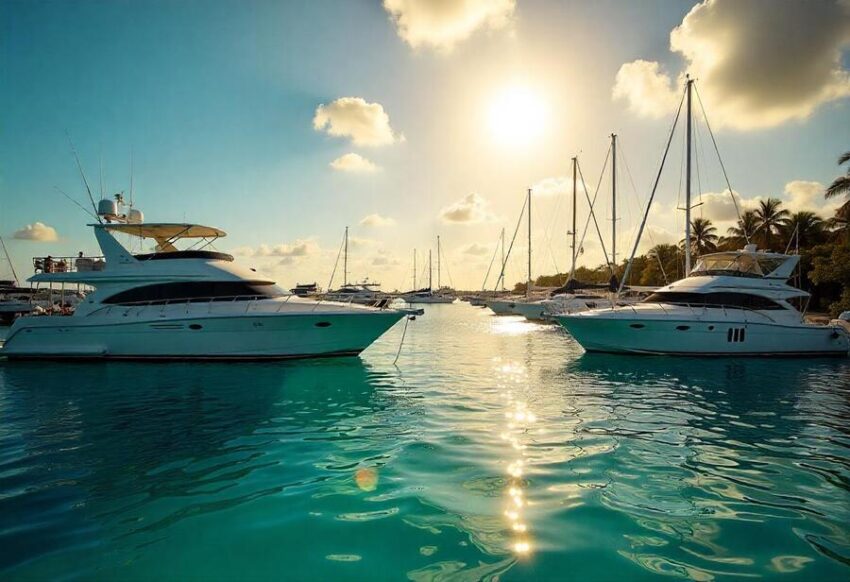
The Bahamas is set to implement substantial increases to its boating-related fees, with new charges scheduled to take effect on July 1, 2025. The recent changes made to the Port Authorities (Amendment) Bill have triggered concern among stakeholders in the tourism and boating sectors. These modifications involve increased fees for cruising permits, new charges for fishing and anchoring, mandatory vessel tracking requirements, and the introduction of a per-passenger tax.
- by travelandtourworld
- 29 Jun 2025
- in travel
1.2 k views
The Bahamas is set to implement substantial increases to its boating-related fees, with new charges scheduled to take effect on July 1, 2025. The recent changes made to the Port Authorities (Amendment) Bill have triggered concern among stakeholders in the tourism and boating sectors. These modifications involve increased fees for cruising permits, new charges for fishing and anchoring, mandatory vessel tracking requirements, and the introduction of a per-passenger tax.
While the Bahamian government defends the fee increases as necessary for funding infrastructure improvements, environmental protection, and maritime safety enhancements, many stakeholders in the boating and tourism industries fear these changes may have negative consequences for the country̢۪s reputation as a leading Caribbean destination. Concerns have been raised that the added financial burdens could deter potential visitors, reduce revenue for local economies, and diminish the Bahamas' standing as a prime choice for cruise and boating tourism.
A significant element of the changes is the considerable increase in the fees for cruising permits. For vessels up to 34 feet in length, the fee will rise by 67%, from $300 to $500. Boats ranging from 34 to 100 feet will see their permit fees double, from $500 to $1,000. Additionally, yachts over 100 feet will be subject to an extra $3,000 fee. These fees will be assessed each time a vessel enters Bahamian waters, with permits remaining valid for 90 days. After this period, vessels will be required to pay the same fees again to re-enter.
Previously, fishing permits were included with the cruising permits for many boats. However, under the new regulations, fishing permits will now incur an additional charge of $300 for vessels over 34 feet. Many within the boating industry are concerned that these increased costs will disproportionately affect both casual and frequent visitors, particularly those with larger vessels.
Another significant change is the introduction of fees for overnight anchoring in Bahamian waters. The new fees will vary from $350 to $1,500, depending on the size of the vessel. This addition has drawn criticism from long-term cruisers and charter operators, who argue that the new charges will discourage extended stays and reduce the overall attractiveness of the Bahamas for boaters looking to spend more time in the area.
For many, overnight anchoring in Bahamian waters has been an essential part of their cruising experience. With these new fees, some boaters worry that the cost of staying in the Bahamas will become prohibitive, leading them to seek alternative destinations where they can anchor without incurring significant charges.
The updated regulations mandate that all vessels measuring 50 feet or more must be outfitted with a working Automatic Identification System (AIS) transponder while navigating Bahamian waters, including when at anchor. This system is designed to improve maritime safety by providing continuous real-time tracking and monitoring of vessels. However, the added cost of installing these systems, combined with potential fines of up to $1,000 for non-compliance, has raised concerns among boaters about the additional financial burden they may face.
Though the government̢۪s intention is to enhance safety and reduce risks in Bahamian waters, critics argue that the regulation may make the Bahamas less attractive to larger vessels that may not have the necessary equipment or be willing to incur additional expenses.
A new per-passenger tax will also be introduced, charging $30 for each passenger over the age of six, after the first three passengers on board. This new tax is expected to have a significant impact on charter companies, especially those catering to large groups. Charter operators are concerned that the added cost will reduce demand for group travel and make the Bahamas less appealing as a destination for larger parties.
For many charter companies, hosting large groups is an essential aspect of their business model, and the new passenger tax will raise the overall cost of chartering a vessel. This could lead to a reduction in demand, particularly from tourists seeking affordable group travel experiences.
Although the Bahamian government̢۪s goal is to use the increased fees to fund vital infrastructure improvements and environmental initiatives, the tourism and boating industries are concerned that these changes may ultimately harm the country̢۪s economic stability. The Bahamas has long been a prime destination for cruising, attracting boaters from around the world, but these new regulations could push visitors to consider other Caribbean destinations with fewer financial obstacles.
Stakeholders in the boating and tourism sectors are particularly worried that the combination of higher cruising fees, new anchoring charges, mandatory AIS transponder requirements, and the per-passenger tax will result in fewer visitors, particularly from the long-term cruiser and large charter sectors. This shift could have a significant impact on the local economy, as the Bahamas has long relied on the boating and cruise tourism industries as major contributors to its GDP.
The Bahamas is at a crossroads as it prepares to implement these sweeping changes in 2025. While the government̢۪s focus on improving infrastructure and environmental protections is understandable, the boating and tourism industries are calling for a reconsideration of these regulations to avoid long-term negative impacts. The combination of increased fees and new regulations may place a heavy financial burden on visitors and businesses, which could result in a decrease in the number of tourists and a decline in the Bahamas' position as a leading Caribbean destination.
you may also like


- by foxnews
- 03 Apr 2026
Coin used as bus fare turns out to be 2,000-year-old relic, its journey still a mystery
- by foxnews
- 03 Apr 2026
Cruise lines cancel sailings, reroute ships as Middle East conflict disrupts voyages


travel
- by foxnews
- descember 09, 2016
Hidden NYC tunnel tied to Underground Railroad at risk of 'significant damage,' advocates warn
Engineers warn an Underground Railroad passageway found at NYC's Merchant's House Museum in Manhattan is threatened by a proposed nine-story development next door.
read more