- by foxnews
- 02 Apr 2026
Brazil Joins US, Spain, Italy, France, Portugal, and Thailand in Cracking Down on Beach Culture With New Rules on Music and Public Access Amid Broader Travel Crackdowns
Brazil has joined the United States, Spain, Italy, France, Portugal, and Thailand in enforcing strict new rules on beach culture — a coordinated shift across tourism-heavy nations to limit public access, regulate music, and push back against the disorder caused by mass travel along the world’s coastlines. The decision comes as mayors, municipal councils, and tourism boards across these countries grapple with growing complaints about noise, overcrowding, and unlicensed vendors dominating once-relaxed public spaces. From Rio to Barcelona, Miami to Phuket, the spontaneous rhythm of global beach life is being replaced by permits, patrols, and policies designed to restore order where tourism once moved freely.
- by travelandtourworld
- 29 May 2025
- in travel
1.5 k views
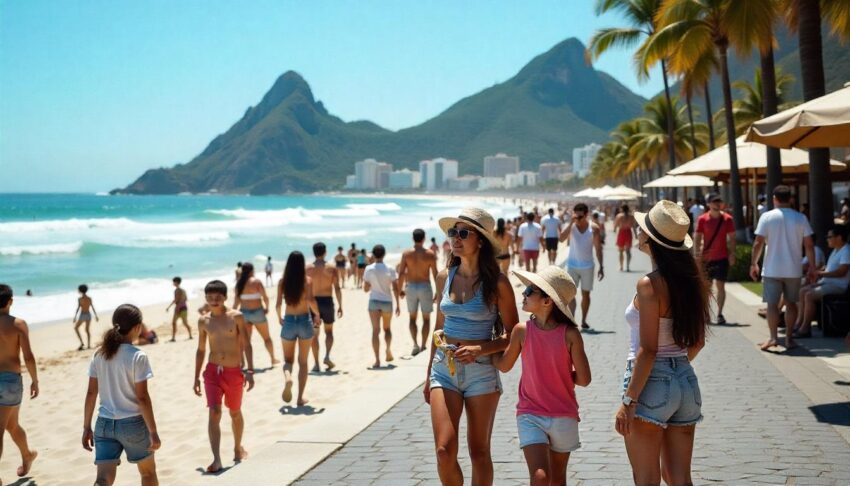
The beaches of Rio de Janeiro are about to change. Beginning June 1, a new decree signed by Mayor Eduardo Paes will enforce strict limits on what can and can̢۪t happen along the city̢۪s shoreline. From now on, vendors will need formal permits to sell food, rent chairs, or play live music. Loudspeakers are also banned unless specifically authorized. Even the names of beach kiosks must meet newly issued guidelines.
Legal efforts to challenge the rules have already begun. A nonprofit group filed a lawsuit to suspend the decree̢۪s restrictions on music, arguing it violates cultural and economic freedoms. But a judge dismissed the case, saying the group lacked the authority to bring it. An appeal is underway, but the clock is ticking. The new rules are set to take effect with or without public consensus.
The city council is considering a separate bill that could soften some provisions, such as allowing live music without a permit. But that proposal hasn̢۪t yet come to a vote. If it doesn̢۪t pass in time, the beaches of Rio may look and sound very different by the time summer begins.
In the United States, beach culture varies from state to state, but the direction is familiar: more rules, tighter enforcement, less tolerance for spontaneous or unlicensed activity.
Out west in California, cities like Santa Monica and Venice Beach have implemented similar systems. Street performers must register and perform in designated zones. Vendors selling food or beach gear without a city license are cited or removed. Noise rules are strictly enforced, especially in the evening hours when beachfront areas double as residential neighborhoods.
Spain̢۪s coastal cities have long attracted millions of tourists every year, but local governments are now setting boundaries on what̢۪s acceptable on the sand.
In Barcelona, live music and amplified speakers are banned on public beaches unless specifically approved. This includes everything from impromptu drum circles to DJs at beach bars. City police monitor beach activity closely, especially in the summer, and unlicensed vendors selling drinks, snacks, or souvenirs are routinely fined or evicted.
On the islands of Ibiza and Mallorca, the response has been even stronger. Beach parties have been curtailed through a combination of curfews, permit restrictions, and noise control zones. Boat parties that anchor near the shore and play loud music are no longer allowed in many areas, following complaints from residents and environmental groups.
Italy̢۪s coastline remains one of the most photographed in Europe, but maintaining its charm has led to a growing set of rules that are reshaping beach life.
On the island of Sardinia, the government has taken steps to reduce environmental damage. Visitors to protected beaches are prohibited from taking sand or stones, and plastic items like cups and straws are banned. Some beaches even require reservations during the high season, with daily limits on how many people can enter.
On the French Riviera, beaches are closely managed, and new rules continue to tighten control over public access and sound.
In Nice, Cannes, and Saint-Tropez, amplified music on public beaches is restricted. Any kind of organized entertainment must be approved by the city in advance. Unauthorized vendors are not allowed to sell on the sand, and public drinking is monitored during peak tourism weeks.
Portugal̢۪s coast has seen a quiet but steady rise in restrictions, particularly around the beaches of Lisbon and the Algarve.
In places like Cascais and Albufeira, loud music on public beaches is prohibited, and beach events now require a municipal permit. Vendors selling snacks or souvenirs must be registered, and enforcement teams make regular rounds to check compliance. Alcohol consumption after dark has been banned in several areas following reports of rowdy behavior and late-night noise.
On beaches in Phuket, Krabi, and Koh Samui, local authorities have rolled out tough new regulations. Vendors must be licensed and operate in designated areas. The use of amplified music on the beach is generally banned, and night-time events now require government approval.
At Maya Bay, the country̢۪s most famous beach, restrictions are even more intense. After years of over-tourism damaged its marine environment, the bay was closed and later reopened with strict controls. Visitor numbers are capped daily, boats are no longer allowed to dock, and beachgoers are not permitted to swim. Music, food, and vending are all prohibited.
you may also like

- by foxnews
- 02 Apr 2026
Stubborn stroller sparks chaotic airport showdown with baggage handlers in viral video
- by foxnews
- 01 Apr 2026
Sharks in Bahamas found to have cocaine and other drugs in their systems, study says


travel
- by foxnews
- descember 09, 2016
Birth tourism industry thrives in Miami as Supreme Court showdown gets underway
Birth tourism is a booming concierge industry as Trump's Executive Order 14160 on birthright citizenship faces a Supreme Court challenge in a major case.
read more