- by foxnews
- 01 Apr 2026
China‑Japan Travel Warning Amid Taiwan Dispute – What It Means
- by travelandtourworld
- 17 Nov 2025
- in travel
1.1 k views
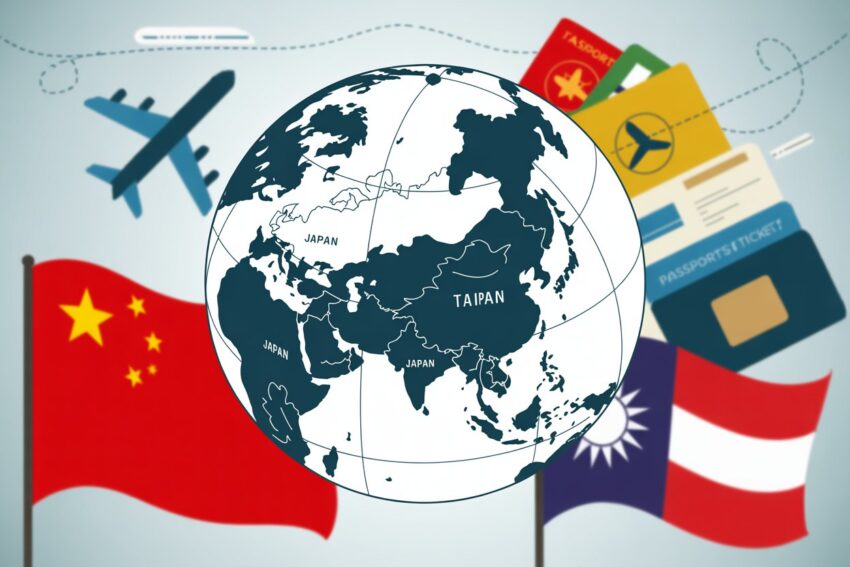
The trigger: Japan’s leader stated that if China took military action against Taiwan, Japan might regard that as a serious threat and could act. China called these statements a gross interference in its internal affairs and demanded retraction. Soon after, more aggressive signals followed: China advised its citizens to reconsider travel to Japan and at least one airline offered refunds or free changes for flights to Japan. Japan lodged formal protests, arguing the warning jeopardises people‑to‑people exchange and tourism links.
Diplomatic spats aren’t new. But a few things raise the stakes here:
Japan relies on tourism from China and also educational and cultural ties. A travel warning can hit businesses, universities and regional economies. It also puts pressure on Japan to calibrate its Taiwan policy carefully.
If Japan and China drift into more confrontational postures, other regional players and alliances may be drawn in. The Taiwan Strait is already tense; adding visible tourism diplomacy into the mix raises risk.
Tour and hotel bookings from China to Japan may be postponed or cancelled. Japanese universities hosting Chinese students may see enrollment impacts. Even airlines are adjusting: some Chinese airlines offered refunds or free changes for Japan‑bound flights.
This incident highlights a few shifting global currents:
Several possibilities lie ahead:
If you’re someone who travels, studies, works or lives in East Asia, this matters more than you might think. Even if you’re not heading to Japan or China, the incident shows how widely inter‑connected and sensitive the system is now. Politics spills into travel, education, business. A comment in parliament becomes a travel advisory. A missed nuance becomes a risk.
For global travellers, it’s a reminder: geopolitical shifts can affect flights, visas, booking‑feasibility. For businesses and universities, it warns: links we take for granted (exchange students, tourists) can suddenly become fragile.
you may also like
- by foxnews
- 01 Apr 2026
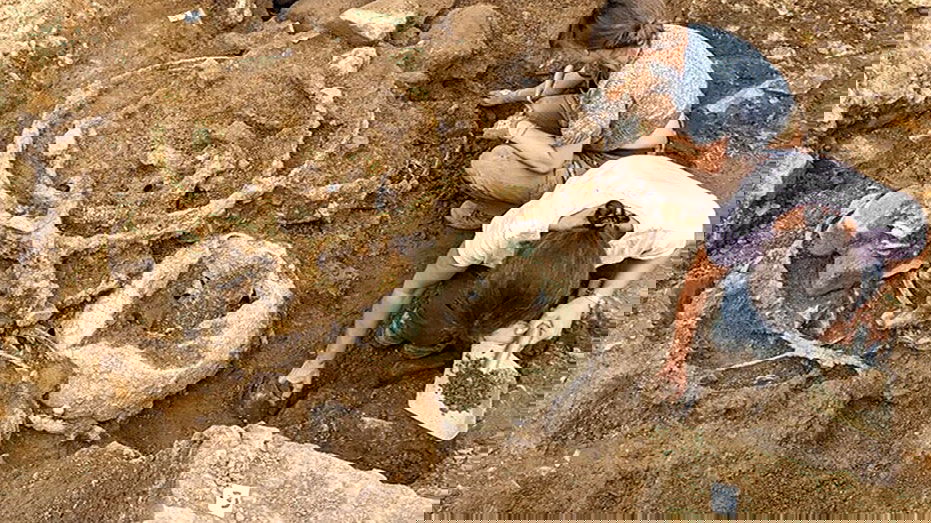
First of its kind wagon evidence uncovered in massive Iron Age treasure trove
- by foxnews
- 01 Apr 2026
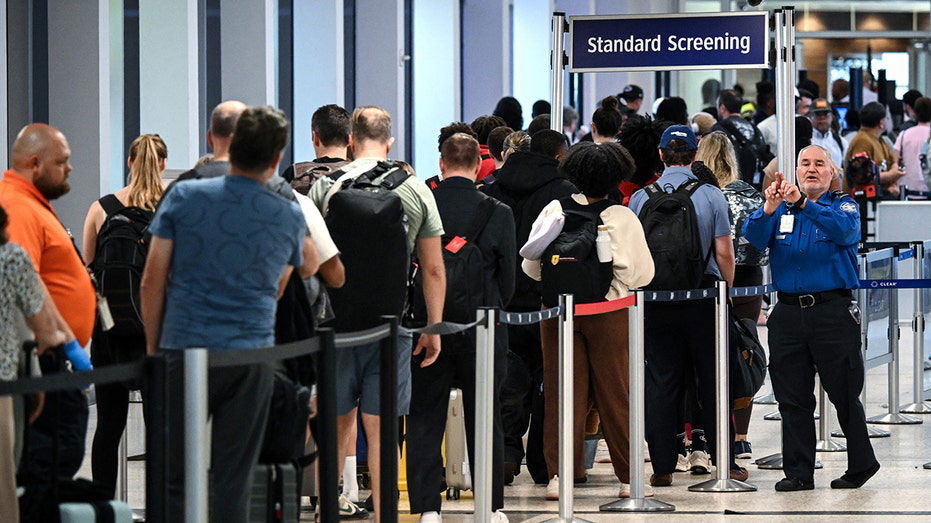
Traveler hands out vodka shots in massive TSA line amid US airport lines and delays


travel
- by foxnews
- descember 09, 2016
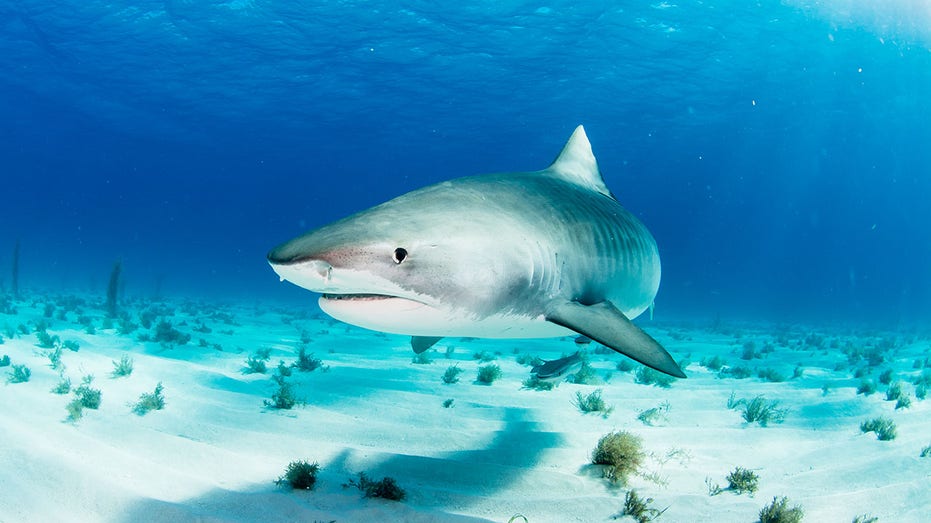
Sharks in Bahamas found to have cocaine and other drugs in their systems, study says
A new study found cocaine, caffeine and painkillers in 28 Bahamas sharks, with researchers saying tourists may be the likely source of the contamination.
read more