- by foxnews
- 03 Apr 2026
Invisible Threat Lurking in the Waters of Gili Trawangan: The Hidden Dangers of Microplastics at Indonesia's Popular Tourist Destination
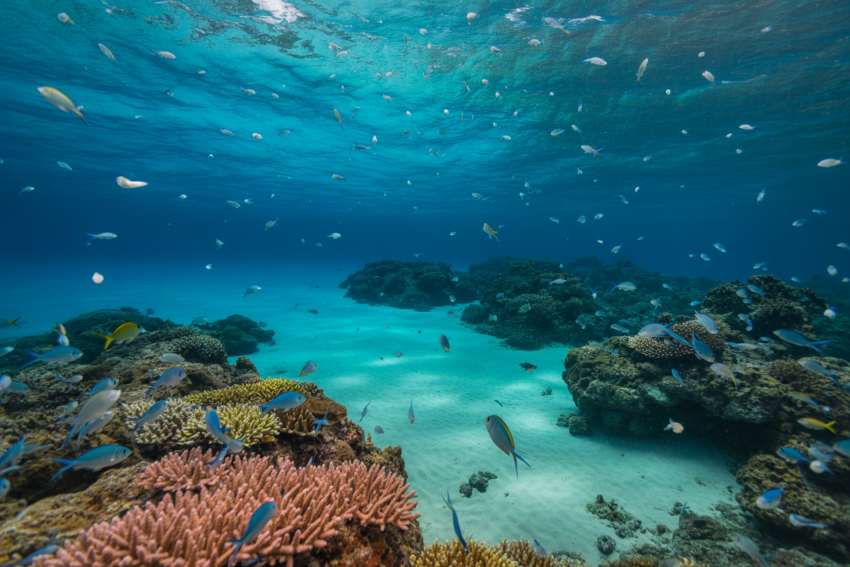
Gili Trawangan, a vibrant island off the coast of Indonesia, has long been a popular destination for beachgoers, backpackers, and adventurers. It is the quintessential tropical getaway, with idyllic white-sand beaches, crystal-clear waters, and an exciting nightlife. However, beneath its breathtaking surface lies an unseen threat that tourists may come across during their visit: microplastics. These tiny plastic particles, which are often invisible to the naked eye, have become an environmental and health risk, affecting not only the ecosystem but also the tourists who visit the island each year.
- by travelandtourworld
- 25 Jan 2026
- in travel
1.7 k views
Gili Trawangan, a vibrant island off the coast of Indonesia, has long been a popular destination for beachgoers, backpackers, and adventurers. It is the quintessential tropical getaway, with idyllic white-sand beaches, crystal-clear waters, and an exciting nightlife. However, beneath its breathtaking surface lies an unseen threat that tourists may come across during their visit: microplastics. These tiny plastic particles, which are often invisible to the naked eye, have become an environmental and health risk, affecting not only the ecosystem but also the tourists who visit the island each year.
What Are Microplastics?
Microplastics are minuscule plastic particles that measure less than five millimetres in length. They originate from larger plastic waste that breaks down over time due to environmental factors. These particles are commonly found in coastal waters, where they accumulate due to human activity, particularly tourism-related practices. On popular tourist islands like Gili Trawangan, the problem is exacerbated by various factors, including maritime traffic, port activities, and general waste management challenges.
The Link Between Tourism and Microplastics
Tourism has a significant impact on the spread of microplastics in coastal areas. Seaports and recreational beaches, where tourists gather, are primary hotspots for microplastic accumulation. The influx of boats, ferries, and other watercraft transporting passengers to and from the island contributes to the problem by releasing plastics into the surrounding waters. Once in the ocean, microplastics are carried by currents, settling on the seafloor or being ingested by marine life.
Research has shown that Gili Trawangan is not immune to this growing concern. Despite its appeal as a pristine destination, the island’s waters are contaminated with microplastics, primarily as a result of maritime traffic and port activities. These particles eventually make their way into the food web, posing a significant threat to both the marine ecosystem and the health of humans consuming seafood from these waters.
Why Should Tourists Be Concerned About Microplastics?
While microplastics may seem like a distant concern for many travellers, their presence on Gili Trawangan Island should not be underestimated. Tourists who swim, snorkel, or dive in the island’s waters are at risk of ingesting these harmful particles. Although the exact health risks are still being studied, there is increasing evidence that prolonged exposure to microplastics could have serious consequences for human health.
Studies suggest that microplastics could contribute to a range of health issues, including cancer, heart disease, and reproductive problems. The particles are small enough to enter the body through ingestion or inhalation, making it possible for them to accumulate in organs over time. In fact, research indicates that the average adult may ingest the equivalent of one credit card's worth of microplastics each week. As a result, exposure to these particles is becoming an alarming issue that demands attention from both tourists and local authorities.
How Do Microplastics Affect Marine Life?
The impact of microplastics on marine life is equally concerning. Marine species, including fish and invertebrates, often mistake these tiny plastic particles for food. When ingested, microplastics can cause physical harm to marine animals, obstructing their digestive systems or causing internal injuries. Additionally, the chemicals attached to these plastic particles may leach into the animals' systems, affecting their health and, ultimately, the ecosystems they inhabit.
As marine species ingest more plastic, the contamination moves up the food chain, reaching the fish that humans consume. This is particularly alarming for people who enjoy seafood while visiting places like Gili Trawangan. The health risks associated with eating seafood contaminated with microplastics are still being studied, but early research indicates that the consequences could be far-reaching.
Efforts to Combat the Issue
Addressing the microplastic problem requires coordinated efforts between the government, tourism industry, and local communities. In Indonesia, environmental protection laws exist to regulate waste management and pollution control, but enforcement remains a challenge. As tourism continues to grow in regions like Gili Trawangan, authorities are under increasing pressure to implement stricter waste management systems and improve recycling practices.
One potential solution lies in raising awareness among tourists about the importance of reducing plastic consumption. By encouraging responsible waste disposal, reducing single-use plastics, and promoting eco-friendly alternatives, it is possible to mitigate the impact of tourism on the environment. Local businesses, particularly in the hospitality sector, can also play a significant role by adopting sustainable practices and promoting environmental conservation to their customers.
What Can Tourists Do to Minimize Their Impact?
While the problem of microplastics is complex, there are steps that tourists can take to minimize their impact. First and foremost, travellers should make an effort to reduce their plastic consumption while on the island. This includes avoiding single-use plastic bottles, bags, and straws and instead opting for reusable alternatives. By making small changes in their daily habits, tourists can contribute to reducing the amount of plastic waste entering the island’s waters.
Additionally, those visiting Gili Trawangan should be mindful of the environmental footprint of their activities. Tourists who enjoy water-based activities, such as snorkelling and diving, can help by supporting operators who prioritize sustainable practices and clean-up efforts. Participating in beach clean-ups and supporting local initiatives focused on marine conservation are also great ways to contribute to the preservation of the island’s natural beauty.
Protecting Gili Trawangan and Its Ecosystem
Gili Trawangan may be a tropical paradise for many, but it also harbours hidden dangers such as microplastics, which endanger the island's environment and the health of its tourists. As tourism grows in this popular destination, both locals and visitors must take responsibility for preserving the island's pristine beaches and waters. By implementing sustainable practices, raising awareness, and funding conservation efforts, Gili Trawangan can continue to thrive as a destination that benefits both visitors and the environment.
you may also like

- by foxnews
- 03 Apr 2026
Coin used as bus fare turns out to be 2,000-year-old relic, its journey still a mystery
- by foxnews
- 03 Apr 2026
Cruise lines cancel sailings, reroute ships as Middle East conflict disrupts voyages



travel
- by foxnews
- descember 09, 2016
Hidden NYC tunnel tied to Underground Railroad at risk of 'significant damage,' advocates warn
Engineers warn an Underground Railroad passageway found at NYC's Merchant's House Museum in Manhattan is threatened by a proposed nine-story development next door.
read more