- by foxnews
- 03 Apr 2026
US Visa Ban Shuts Down International Adoptions for Over 300 Families, Stranding Children Abroad and Leaving Adoptive Parents in Heartbreaking Limbo!
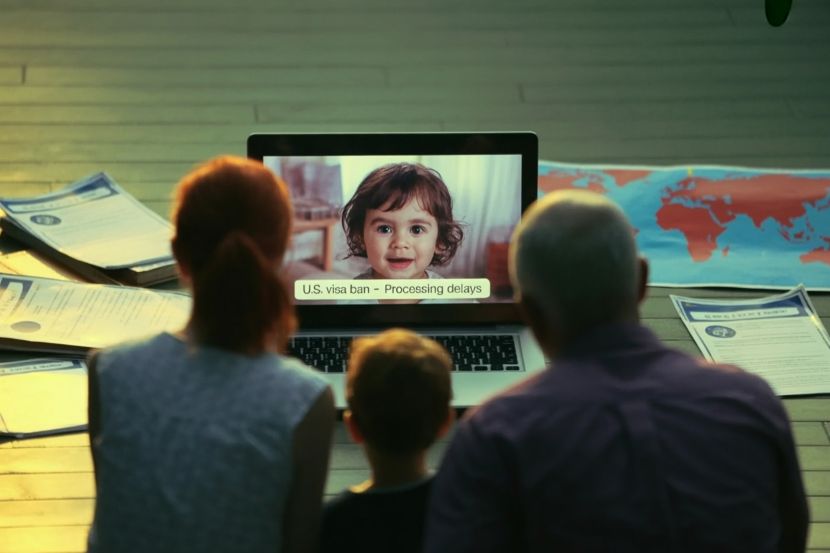
A sweeping change in U.S. immigration policy has created a humanitarian crisis for hundreds of American families and children around the world. Starting in January 2026, the U.S. government introduced sweeping visa bans under Presidential Proclamation 10998, which now includes adoption visas as part of the countries affected by this policy. As a result, over 300 U.S. families are now unable to bring their adopted children home, leaving both parents and children in a state of uncertainty. The disruption is impacting families who had legally completed the adoption process, only to face the unthinkable delay of reunification.
- by travelandtourworld
- 27 Jan 2026
- in travel
1.7 k views
A sweeping change in U.S. immigration policy has created a humanitarian crisis for hundreds of American families and children around the world. Starting in January 2026, the U.S. government introduced sweeping visa bans under Presidential Proclamation 10998, which now includes adoption visas as part of the countries affected by this policy. As a result, over 300 U.S. families are now unable to bring their adopted children home, leaving both parents and children in a state of uncertainty. The disruption is impacting families who had legally completed the adoption process, only to face the unthinkable delay of reunification.
The U.S. Department of State, which handles immigrant visas, confirmed that the visa suspension, which applies to citizens of 39 countries such as Haiti, Eritrea, Somalia, Sudan, and Yemen, has been expanded to include adoption visas in its scope. Previously, even under stricter travel bans, adoption visas were typically exempted to prioritize family reunification. However, with the new policy shift, this exemption has been removed, creating a roadblock for families awaiting the final step in their adoption journey.
The repercussions of this visa suspension have been significant. For years, children from countries with high levels of orphaned or abandoned children, like Haiti and Sudan, were able to find homes with U.S. families. The IR-3 and IH-3 visas â€" typically issued to children adopted abroad â€" were crucial for these children to join their new families in the U.S. and receive the care, safety, and stability they desperately needed.
Families who completed adoption procedures months or even years ago are now facing the heartbreak of waiting indefinitely as their children remain in overseas orphanages or foster systems. In Ohio, one family shared their devastating experience of having their child, a young girl from Haiti, stay in an orphanage while waiting for the visa. The family had already completed the adoption process and received court approval in Haiti. Still, the child's ability to travel was delayed indefinitely due to the suspension.
Many of these families had already arranged homes, jobs, and support systems for their new children. They have been forced to wait without a clear timeline for when the children can join them. For some, the situation feels like a complete reversal of progress, having already mentally and emotionally transitioned to becoming parents.
In a statement released by the U.S. government, the Department of State explained that these visa suspensions are part of an effort to safeguard national security. The government cited the need for increased vetting processes for foreign nationals entering the country to ensure their safety and security. Adoption visas, which had once been exempt from restrictions during previous travel bans, have now been rolled into the overall suspension, causing a ripple effect on families in the adoption process.
Although the government has offered legal pathways for review in certain cases, there is no clear timeline for when or if adoption visa exemptions will be restored. This has left families stuck in limbo, with no option to reunite with their children. Families are now waiting for action from lawmakers, who are under increasing pressure to address this issue on humanitarian grounds.
Internationally, countries that were already struggling with orphan care, such as Haiti and Eritrea, have been severely impacted by the suspension. These nations, with significant numbers of children in need of adoption, now face even greater challenges in finding homes for their vulnerable citizens due to the halt on U.S. adoptions. Meanwhile, other nations, such as Cuba and Nigeria, have seen restrictions placed on both family reunification and adoption.
The situation in Haiti, which already has an adoption process mired in bureaucratic red tape, has become even more complicated with the visa ban. Haitian adoption agencies and governmental authorities have raised concerns about the consequences for children who have been waiting for years to leave orphanages and join families in the United States.
In one particularly heartbreaking case, a family in Washington D.C. described how they had already named their daughter, planned for her education, and even met her in person while completing the adoption. Now, they are unable to reunite with their child, who remains at an orphanage in Haiti, waiting for a visa that may never arrive. They are among hundreds who have experienced such delays in the past month.
Experts in child welfare have noted that these children, many of whom have already experienced significant trauma and instability, may be left in even more precarious situations as they wait for the U.S. visa process to reopen. Advocacy groups have raised alarms over potential long-term consequences for these children’s emotional and psychological health, as well as the setbacks in the adoption process.
As adoption agencies and families voice their concerns, advocacy efforts have begun to mount in Washington D.C. Legislators are under mounting pressure to intervene and restore adoption visa exemptions. The legal framework for intercountry adoption, which has traditionally prioritized the best interests of the child, is being tested against broader national security concerns.
Some lawmakers are already drafting bills that would address these concerns by offering exemptions for adoption cases and ensuring that children already in the process of adoption can be united with their families. The U.S. adoption community remains hopeful that, through legislative change, the visa ban on adoption can be revised in favor of humanitarian considerations.
The pause on adoption visas due to the U.S. visa ban has created a devastating situation for hundreds of families and children worldwide. These restrictions not only complicate the adoption process but, more tragically, have left children stranded in orphanages, unable to travel to their new homes. As this issue develops, advocates and lawmakers must work together to find a solution that places the welfare of children first and allows families to unite. For the sake of these children, the U.S. must prioritize family reunification and child welfare, even as it works to ensure its national security.
you may also like

- by foxnews
- 03 Apr 2026
Coin used as bus fare turns out to be 2,000-year-old relic, its journey still a mystery

- by foxnews
- 03 Apr 2026
Cruise lines cancel sailings, reroute ships as Middle East conflict disrupts voyages


travel
- by foxnews
- descember 09, 2016
Hidden NYC tunnel tied to Underground Railroad at risk of 'significant damage,' advocates warn
Engineers warn an Underground Railroad passageway found at NYC's Merchant's House Museum in Manhattan is threatened by a proposed nine-story development next door.
read more