- by foxnews
- 03 Apr 2026
Major Roman treasure hoard recovered after detectorist kept it secret for years
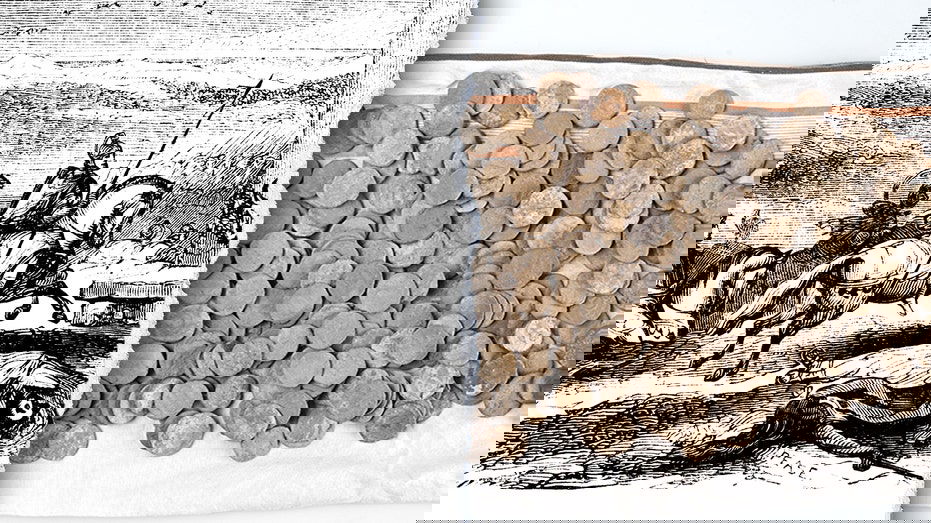
A detectorist allegedly waited eight years to report finding 450 Roman silver coins in Germany, officials say. The 2,000-year-old treasure is now a major archaeological hoard.
2.0 k views
The find was announced by the Lower Saxony State Office for the Preservation of Monuments (NLD) in October. It was found near Borsum, in the district of Hildesheim.
German officials said the 2,000-year-old hoard was discovered by a detectorist in 2017 - but it wasn't until April 2025 that he reported it.
NLD archaeologists headed to the site in October to find exactly where the hoard was taken, and to "recover objects still in the ground," the organization said.
"As part of this investigation, additional coins were found; the treasure trove was completely recovered after the excavation was completed."
The NLD also described the treasure as "one of the largest treasure troves of Roman coins in Lower Saxony."
Officials cautioned that a comprehensive scientific analysis was still needed.
"Only then can it be assessed where the artifacts came from and why they were buried here," said the NLD. "Were they Romans or Germanic peoples?"
Sebastian Messal, an archaeologist at NLD, told Fox News Digital that treasures like this are rare to find in Lower Saxony, but not unheard of.
"Comparable discoveries are nevertheless well known in the region… Among other examples, 3,000 coins were recovered in Jever, and more than 1,100 Roman coins are known from Lengerich," he said.
As of mid-January, Messal added that the finds are still awaiting scientific analysis - but the scientific value of the hoard is "enormous."
How the hoard was buried in the first place remains unclear, Messal said, because the detectorist's improper excavation destroyed the original archaeological context.
you may also like
- by foxnews
- 03 Apr 2026
Coin used as bus fare turns out to be 2,000-year-old relic, its journey still a mystery

- by foxnews
- 03 Apr 2026
Cruise lines cancel sailings, reroute ships as Middle East conflict disrupts voyages



travel
- by foxnews
- descember 09, 2016
Hidden NYC tunnel tied to Underground Railroad at risk of 'significant damage,' advocates warn
Engineers warn an Underground Railroad passageway found at NYC's Merchant's House Museum in Manhattan is threatened by a proposed nine-story development next door.
read more