- by foxnews
- 01 Apr 2026
New England Joins the Nationwide Travel Surge with Three Million People Expected to Hit the Roads and Skies This Fourth of July Weekend, Creating Unprecedented Congestion
This Fourth of July weekend, New England is set to experience one of its busiest travel periods in years, as an estimated three million people are expected to flood the region̢۪s roads and airports. The surge in travel is part of a larger nationwide trend, with Americans eager to take advantage of the long holiday weekend. The timing of the holiday, falling on a Friday, has created the perfect opportunity for extended trips, resulting in unprecedented congestion on both highways and at major airports. With many people opting for road trips and others flying to popular vacation destinations, the combination of high demand and limited infrastructure is expected to lead to significant delays and crowded travel hubs across the region.
- by travelandtourworld
- 07 Jul 2025
- in travel

2.0 k views
This Fourth of July weekend, New England is set to experience one of its busiest travel periods in years, as an estimated three million people are expected to flood the region̢۪s roads and airports. The surge in travel is part of a larger nationwide trend, with Americans eager to take advantage of the long holiday weekend. The timing of the holiday, falling on a Friday, has created the perfect opportunity for extended trips, resulting in unprecedented congestion on both highways and at major airports. With many people opting for road trips and others flying to popular vacation destinations, the combination of high demand and limited infrastructure is expected to lead to significant delays and crowded travel hubs across the region.
In Connecticut, an estimated 23 percent of the population was expected to travel by car or plane. The state̢۪s major highways and airports were prepared for a significant uptick in travelers. New England's scenic landscapes, coastal attractions, and vibrant cities continue to draw people from both near and far, and this year was no exception.
With the Fourth of July falling on a Friday, many Americans enjoyed a long weekend perfect for short vacations. Travel demand surged, particularly to popular destinations such as Martha̢۪s Vineyard, Cape Cod, and the scenic coastal areas of Rhode Island. This combination of factors contributed to one of the busiest travel weekends of the year, prompting a flurry of activity on the region's roads and in its airports.
Although the heavy volume of travelers led to some congestion, many road trip enthusiasts were able to avoid major delays by departing early in the weekend. Travelers who took to the highways first thing Saturday morning, when many others were still preparing to leave, found that their efforts paid off in terms of a smoother drive. Those who left later in the day faced longer travel times as traffic built up, with the busiest times generally occurring around midday.
Notably, many travelers chose to drive rather than fly, preferring the flexibility and ease of traveling by car. As the cost of gas remained relatively steady, road trips became an attractive option, especially for families and groups. The heavy use of New England̢۪s roads, particularly I-95, contributed to traffic bottlenecks near major rest areas. As travelers took breaks at these points, there was a shared sense of anticipation, with many planning their next steps and reflecting on the success of their early departures.
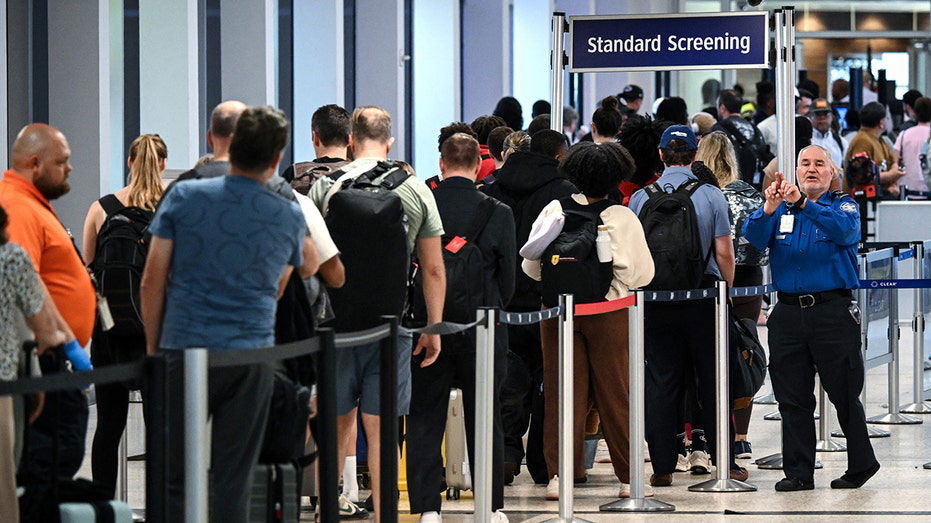
However, those opting for air travel experienced relatively smooth airport operations. Despite the rush of holiday flyers, travelers reported minimal delays and efficient processes at major airports like Boston Logan and Providence T.F. Green. As air travel demand also surged, many flights to popular destinations were at full capacity, with long lines at ticket counters and security checkpoints in the early hours of the morning.
The long weekend also saw a spike in local tourism, with businesses reporting high levels of foot traffic and increased reservations at restaurants, hotels, and attractions. The increase in visitors was evident in New England̢۪s most well-known tourist spots, such as Cape Cod, the Hamptons, and the Berkshires, where both tourists and locals flocked to experience the region̢۪s famous natural beauty and outdoor activities. From hiking through lush forests to enjoying watersports along the coast, New England offered an abundance of activities for all types of travelers.
A significant number of visitors were also drawn to the region̢۪s cultural offerings, including art galleries, historic landmarks, and lively festivals. These factors, combined with the ability to escape to the countryside or the beach, made New England an attractive destination for both short and extended vacations. The increased interest in these experiences, particularly in the warmer months, suggests that regional tourism continues to grow, even after the pandemic-related travel shifts.
By Sunday morning, as many began their return journeys home, the roads began to clear, and lighter traffic prevailed. For those who had planned ahead and left early, their return trip was far less stressful, highlighting the benefits of early travel times during peak holiday periods. On the flip side, those who opted for later departures faced some traffic delays but were still able to get to their destinations without significant issues.
As the Fourth of July weekend came to a close, New England̢۪s roads and skies began to return to normal. The region̢۪s transportation infrastructure, including its highways, rest stops, and airports, showed their resilience in accommodating the substantial increase in travel. Looking ahead, many travelers have learned the value of strategic planning during holiday weekends, ensuring that future trips will be even more efficient and enjoyable.
Despite the challenges that come with such high travel volumes, New England̢۪s tourism and transportation sectors are poised to continue thriving, with an increasing number of visitors eager to explore its many offerings. As the travel industry in the region continues to recover and expand, it is clear that New England remains a top destination for both short-term getaways and longer vacations.
you may also like


- by foxnews
- 01 Apr 2026
First of its kind wagon evidence uncovered in massive Iron Age treasure trove
- by foxnews
- 01 Apr 2026
Traveler hands out vodka shots in massive TSA line amid US airport lines and delays


travel
- by foxnews
- descember 09, 2016
Sharks in Bahamas found to have cocaine and other drugs in their systems, study says
A new study found cocaine, caffeine and painkillers in 28 Bahamas sharks, with researchers saying tourists may be the likely source of the contamination.
read more