- by foxnews
- 03 Apr 2026
New US Travel Rules: Hundred Dollar Fee for Non-Resident Tourists Entering National Parks – Impact on Global Travel and Tourism
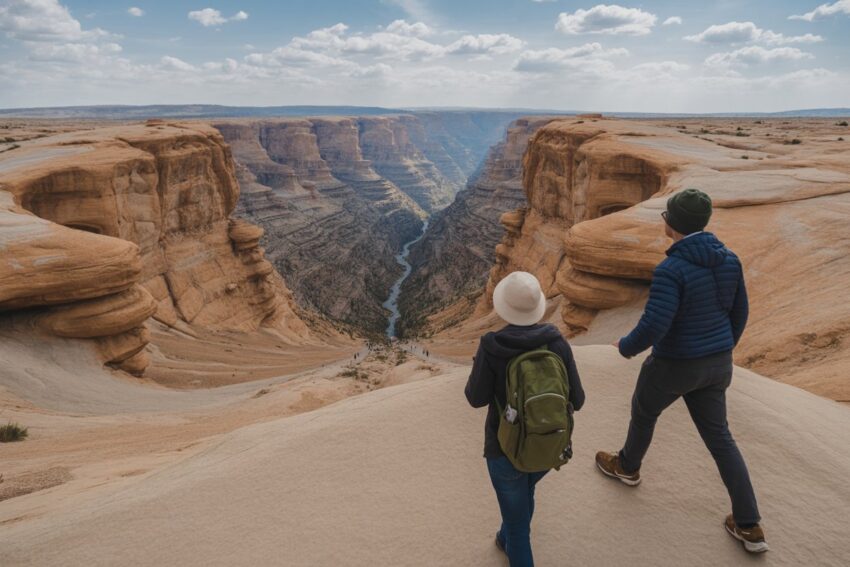
The US National Park Service (NPS) is set to implement a significant change for international travelers starting in 2026, introducing a $100 surcharge for non-U.S. citizens visiting some of the nation’s most iconic parks. This new rule will affect visitors from around the world who come to explore the natural wonders of Yellowstone, Yosemite, Grand Canyon, Zion, and many others. The fee is part of an effort by the Trump administration to better manage park resources, improve infrastructure, and generate more funds for the federal park system, which has been struggling with maintenance backlogs.
- by travelandtourworld
- 30 Jan 2026
- in travel
1.3 k views
The US National Park Service (NPS) is set to implement a significant change for international travelers starting in 2026, introducing a $100 surcharge for non-U.S. citizens visiting some of the nation’s most iconic parks. This new rule will affect visitors from around the world who come to explore the natural wonders of Yellowstone, Yosemite, Grand Canyon, Zion, and many others. The fee is part of an effort by the Trump administration to better manage park resources, improve infrastructure, and generate more funds for the federal park system, which has been struggling with maintenance backlogs.
This new policy will apply to all non-resident visitors aged 16 and older, who will be required to pay the surcharge upon entry to many national parks. The fee is in addition to any existing entrance fees, and it applies specifically to tourists who cannot demonstrate U.S. residency. The aim is to increase funding for park maintenance while ensuring that U.S. taxpayers, who already contribute to the park system, do not bear the burden of these costs.
Under the new rule, international visitors to popular parks such as Yosemite, Yellowstone, and the Grand Canyon will see their costs rise significantly. The introduction of the $100 fee applies to non-U.S. citizens, which will make visiting the U.S. parks more expensive for travelers coming from Europe, Asia, and other global regions. This policy is expected to be a major deterrent for potential visitors who are already considering the rising costs of international travel.
The policy also affects the popular America the Beautiful Annual Pass, which will now cost $250 for non-residents. In contrast, U.S. residents will continue to pay the standard $80 for the pass. This discrepancy has raised concerns that the policy may unintentionally create barriers for cultural and tourism exchanges.
International tourism to the United States has already been in decline, and this new fee may exacerbate the situation. Visitor numbers have fluctuated in recent years due to economic instability, travel restrictions during the pandemic, and changes in global travel preferences. Many tourists who previously flocked to U.S. national parks may now look elsewhere due to the added cost burden.
Travel industry experts predict that countries with more accessible national parks and lower entry fees, such as those in Europe and Southeast Asia, will likely benefit as a result of the U.S. policy. Countries like Canada, Australia, and New Zealand may see a rise in visitors from international travelers who feel that the U.S. is no longer as inviting as it once was.
A survey conducted by the Global Tourism Organization found that over 50% of international tourists would reconsider visiting U.S. parks due to the new fees, opting for countries where tourism policies are perceived as more welcoming and affordable.
Supporters of the new fee argue that the funds generated will help address the $12 billion maintenance backlog that the National Park Service currently faces. This backlog includes aging infrastructure, dilapidated roads, outdated facilities, and underfunded visitor centers across many parks. The fee is also seen as a way to make the park system financially sustainable in the long term while preserving the parks’ environmental integrity and increasing access for U.S. residents who contribute to the system through taxes.
Additionally, some proponents point out that national parks in the U.S. face unique economic challenges in keeping up with the growing visitor demand, which often puts significant strain on resources, especially in high-traffic destinations such as the Grand Canyon or Yosemite. By raising fees for international visitors, the parks hope to better balance the environmental impact with visitor services.
However, many tourism advocates have raised concerns about the long-term effects of the surcharge. Critics argue that the fee is a disincentive to visit U.S. parks and could harm the country’s reputation as a top global destination for nature tourism. The World Travel and Tourism Council (WTTC) expressed disappointment over the decision, calling for a rethink on the policy that could damage the relationship between the U.S. and other global tourism markets.
U.S. travel organizations, such as the American Hotel & Lodging Association (AHLA) and U.S. Travel Association, have also voiced concerns that this move could cause long-term harm to both the tourism sector and the broader economy. They fear that reducing the flow of international visitors will result in fewer bookings at hotels, fewer purchases of souvenirs, and overall lower tourism spending.
Looking ahead, the new travel fee for non-U.S. visitors is expected to have significant consequences for both U.S. tourism and its national parks. While the policy aims to generate more revenue for maintenance and park improvements, it could have a negative impact on visitor numbers and international travel trends. This could lead to fewer tourists from abroad choosing U.S. destinations, especially national parks, where the added cost could be seen as an unnecessary barrier.
The long-term effect of this policy remains to be seen, but industry leaders are hopeful that the U.S. government will review the policy as international tourism recovers and adjust it accordingly to balance both financial sustainability and the country’s status as a premier travel destination.
you may also like
- by foxnews
- 03 Apr 2026
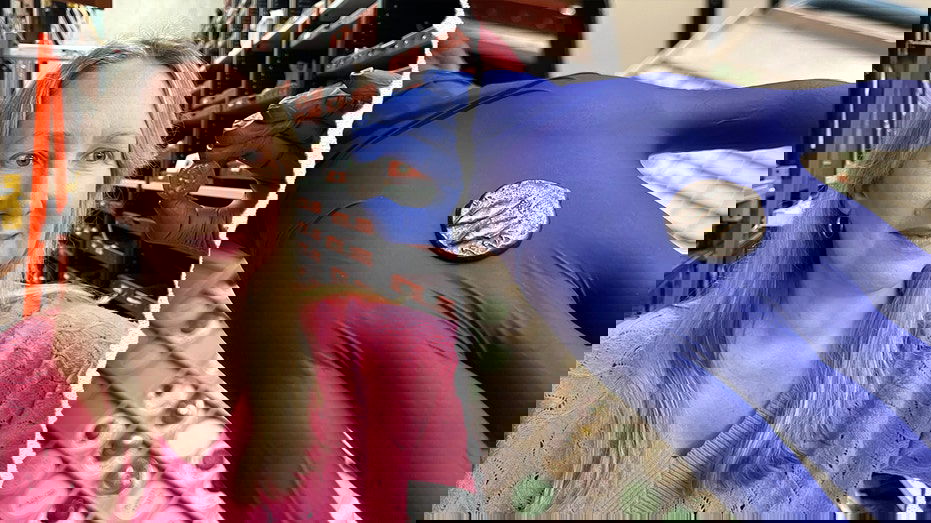
Coin used as bus fare turns out to be 2,000-year-old relic, its journey still a mystery
- by foxnews
- 03 Apr 2026
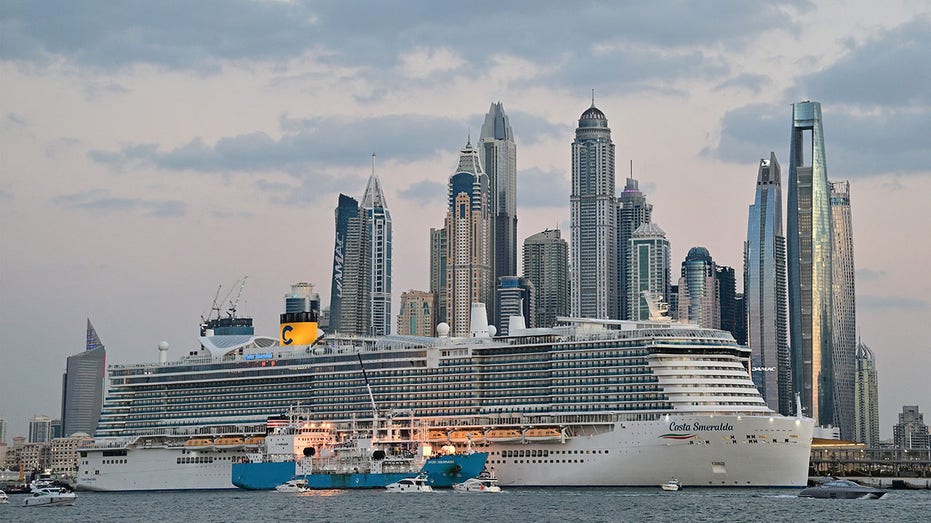
Cruise lines cancel sailings, reroute ships as Middle East conflict disrupts voyages

travel
- by foxnews
- descember 09, 2016
Hidden NYC tunnel tied to Underground Railroad at risk of 'significant damage,' advocates warn
Engineers warn an Underground Railroad passageway found at NYC's Merchant's House Museum in Manhattan is threatened by a proposed nine-story development next door.
read more