- by foxnews
- 02 Apr 2026
Spring Airlines Japan 737 Forced to Make Emergency Descent New Update You Need To Know
A routine flight from Shanghai to Tokyo turned into a terrifying experience for passengers aboard Spring Airlines Japan̢۪s Boeing 737 on June 30, 2025. What started as a normal journey soon took a drastic turn when the aircraft faced a severe cabin pressurization issue, triggering a rapid descent that left many aboard fearing for their lives. The aircraft was forced to divert to Osaka̢۪s Kansai International Airport (KIX) after descending from 36,000 feet to 10,000 feet in a matter of minutes. Fortunately, despite the chaotic moments, the flight landed safely without any injuries.
- by travelandtourworld
- 02 Jul 2025
- in travel
1.6 k views
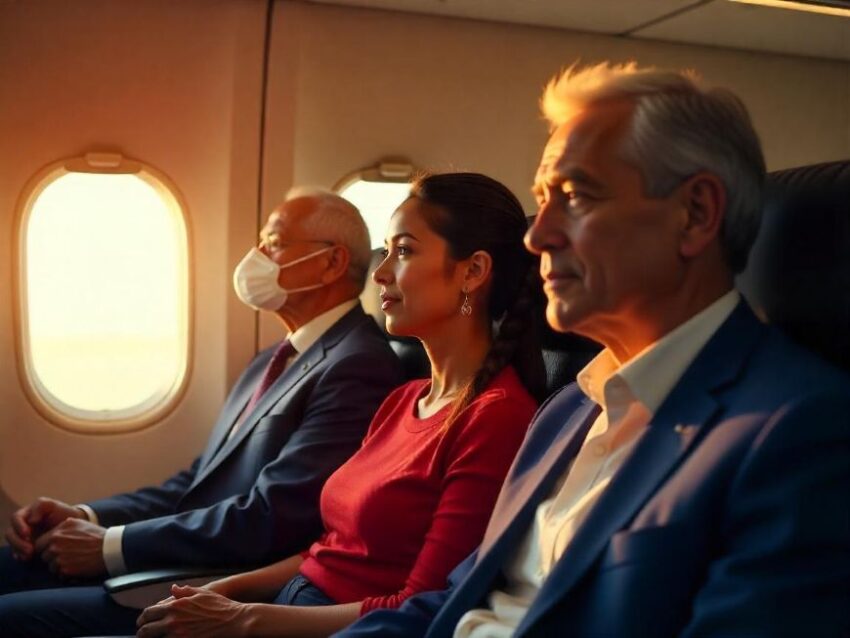
A routine flight from Shanghai to Tokyo turned into a terrifying experience for passengers aboard Spring Airlines Japan̢۪s Boeing 737 on June 30, 2025. What started as a normal journey soon took a drastic turn when the aircraft faced a severe cabin pressurization issue, triggering a rapid descent that left many aboard fearing for their lives. The aircraft was forced to divert to Osaka̢۪s Kansai International Airport (KIX) after descending from 36,000 feet to 10,000 feet in a matter of minutes. Fortunately, despite the chaotic moments, the flight landed safely without any injuries.
The flight, a code-share operation between Japan Airlines and Spring Airlines Japan, was traveling as Flight JL8696/IJ004 when disaster struck. The Boeing 737-800, a relatively new aircraft, had been cruising along at 36,000 feet when the crew received an alert about an abnormality with the pressurization system. Suspecting a cabin depressurization, the flight crew acted swiftly, declaring an emergency and initiating a rapid descent to bring the aircraft to a safer altitude.
Despite the alarming descent, the aircraft made a safe landing at Kansai International Airport (KIX) without any injuries reported. The flight, which had departed Shanghai Pudong International Airport (PVG) at 17:48 local time, was originally headed for Tokyo Narita Airport (NRT) but instead made an emergency landing in Osaka at 20:48 local time, more than three hours after the incident began.
The Boeing 737, with 191 passengers and crew onboard, was quickly secured on the ground. Although shaken, everyone aboard was unharmed. As a gesture of goodwill, Spring Airlines Japan offered affected passengers 15,000 yen ($93) for transportation and accommodation for the night.
The 737-800 is part of Spring Japan̢۪s modest fleet, which includes six Boeing 737-800s and three Airbus A321-200 freighters. The airline, based at Tokyo Narita, is a low-cost carrier serving both domestic and international routes, with its fleet primarily consisting of narrowbody jets.
In the aftermath of the emergency, Spring Airlines Japan had to cancel several flights, including key routes between Tokyo and Shanghai, Tokyo and Sapporo, and Tokyo and Hiroshima. The airline offered passengers the option to rebook their flights or receive a full refund within 30 days. While no injuries occurred, the airline issued an apology for any inconvenience caused by the cancellations and delays.
Flight JL8696/IJ004 is just one of many flights on this busy route, which sees heavy competition from other carriers such as China Eastern and Air China, which operate more than 60 flights weekly between Shanghai and Tokyo. Despite the unsettling incident, Spring Airlines Japan remains committed to keeping its operations running smoothly and ensuring the safety and comfort of its passengers.
As the aviation industry continues to face challenges, incidents like these serve as reminders of the complexities involved in keeping air travel safe. The focus will remain on improving safety protocols and ensuring that passengers and crews are well-equipped to handle unexpected situations.
you may also like
- by foxnews
- 02 Apr 2026
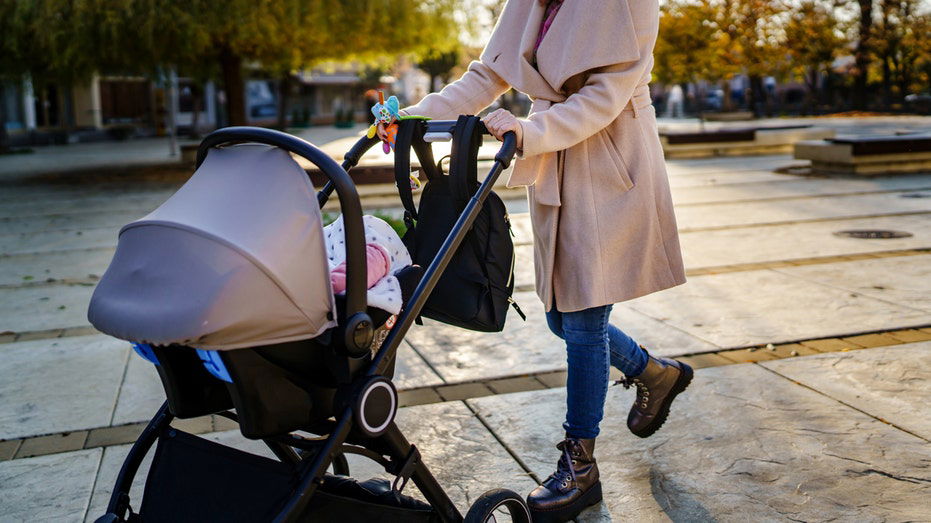
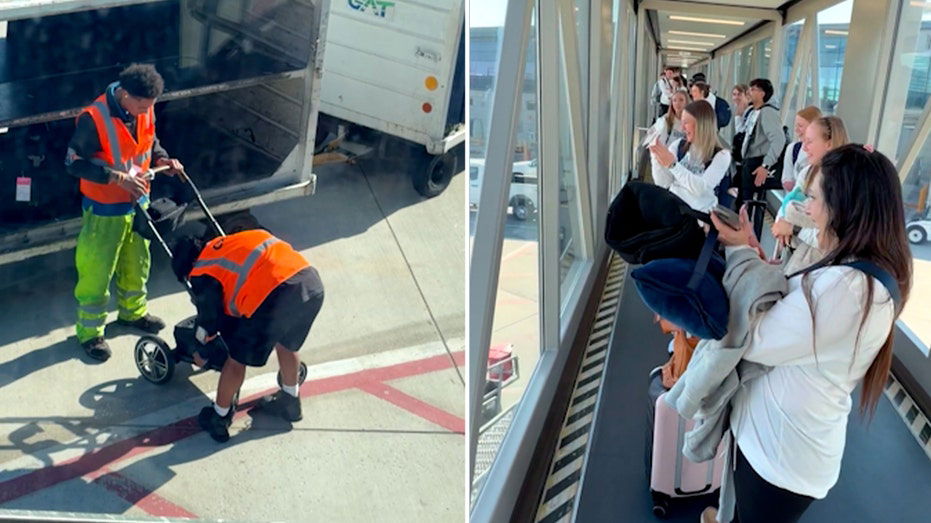
Stubborn stroller sparks chaotic airport showdown with baggage handlers in viral video
- by foxnews
- 01 Apr 2026
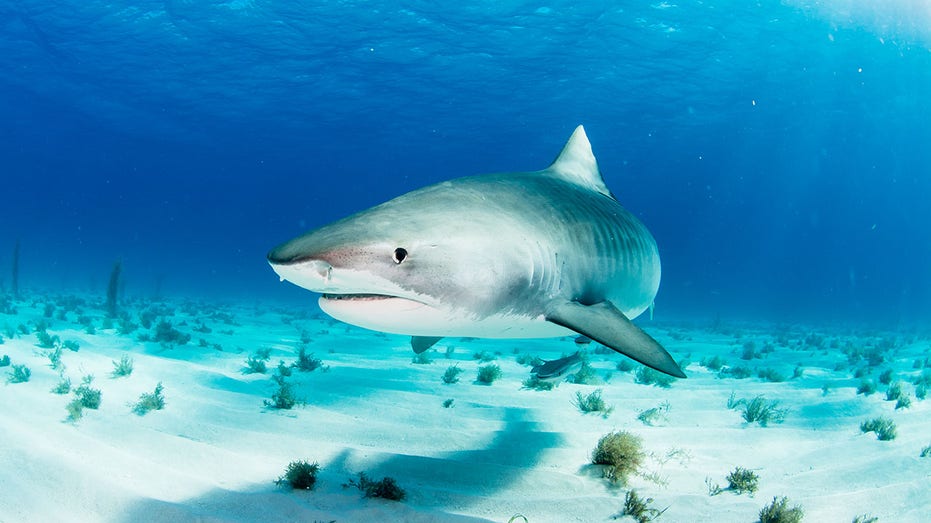
Sharks in Bahamas found to have cocaine and other drugs in their systems, study says


travel
- by foxnews
- descember 09, 2016
Birth tourism industry thrives in Miami as Supreme Court showdown gets underway
Birth tourism is a booming concierge industry as Trump's Executive Order 14160 on birthright citizenship faces a Supreme Court challenge in a major case.
read more