- by foxnews
- 07 Apr 2026
Tripura's Narikel Kunja at Dumboor Reservoir Set to Transform into World-Class Ecotourism Destination
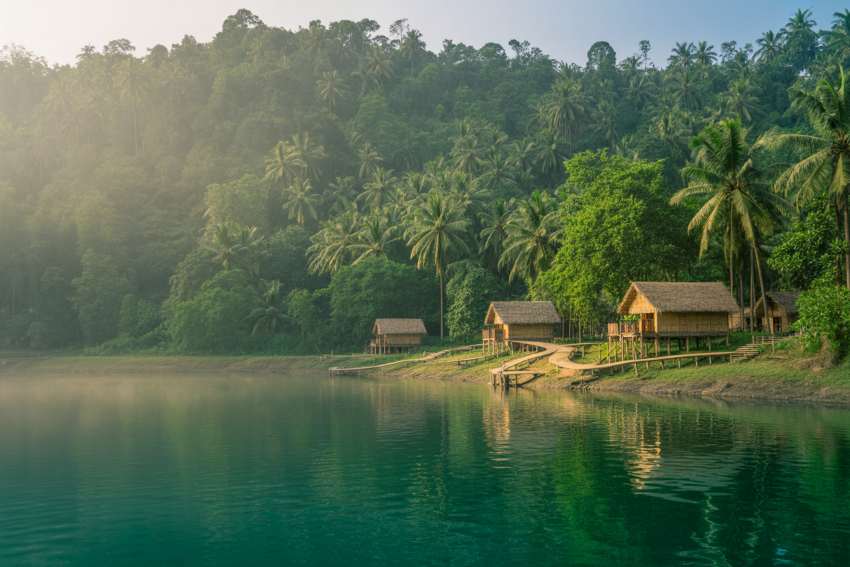
Narikel Kunja in Tripura, located near the picturesque Dumboor Reservoir, is poised to become a world-class tourism hub. The state government envisions the area becoming a top ecotourism destination, attracting both domestic and international visitors while also boosting the local economy. The project will combine the region's natural beauty with cutting-edge infrastructure, ensuring that the ecological balance remains intact.
- by travelandtourworld
- 25 Jan 2026
- in travel
1.2 k views
Narikel Kunja in Tripura, located near the picturesque Dumboor Reservoir, is poised to become a world-class tourism hub. The state government envisions the area becoming a top ecotourism destination, attracting both domestic and international visitors while also boosting the local economy. The project will combine the region's natural beauty with cutting-edge infrastructure, ensuring that the ecological balance remains intact.
Harnessing Nature’s Charm: A Scenic Gem
Narikel Kunja’s strategic location amidst water bodies and lush greenery makes it an ideal spot for leisure and nature-based tourism. The reservoir is one of Tripura's most serene water bodies, surrounded by hills and vegetation, offering panoramic views and a tranquil environment that draws visitors from various parts of India. It has long been a popular spot for those looking to enjoy the calming allure of nature. With the planned upgrades, the area is poised to become a focal point of attraction for tourists seeking peaceful retreats and natural beauty.
Eco-Friendly Infrastructure to Enhance Visitor Experience
The development plan for Narikel Kunja aims to integrate world-class amenities while adhering to eco-friendly principles. Infrastructure improvements will include the creation of eco-friendly cottages, viewing decks, walkways, and recreational facilities designed to provide an immersive experience while maintaining the region's natural charm. Authorities have emphasized that all construction will follow sustainable design principles to ensure minimal environmental impact. In this regard, the project’s success hinges on its ability to promote tourism without compromising the biodiversity or water resources of the Dumboor Reservoir area.
Sustainable Tourism: A Balance Between Development and Conservation
One of the primary objectives of the Narikel Kunja Dumboor tourism project is to ensure that the area's natural ecosystems are preserved even as tourism develops. To this end, a range of measures will be put in place to protect the environment. These include waste management systems, controlled construction techniques, and the promotion of responsible visitor behaviour through awareness programmes. Tourism development at Narikel Kunja will be guided by ecotourism principles, which focus on environmental conservation, sustainability, and community engagement.
The project will also incorporate features to enhance visitor safety, such as well-organized boating zones, designated recreation areas, and properly trained operators for water-based activities. Safety protocols will be strictly adhered to, ensuring that visitors can enjoy the natural wonders of the area with peace of mind.
Creating Opportunities for Local Communities
The development of Narikel Kunja Dumboor tourism is expected to have a profound impact on the local economy. One of the key benefits of the project is the creation of employment opportunities in various sectors, including hospitality, transportation, guiding services, and maintenance. Local entrepreneurs are also likely to see increased demand for goods and services, such as food outlets, souvenir shops, and craft vendors, thus fostering regional economic growth. This will ensure that the benefits of tourism are felt by the local communities surrounding the Dumboor Reservoir.
A Diverse Appeal for Year-Round Tourism
With the addition of new infrastructure, Narikel Kunja is expected to attract a broader range of visitors. Families, nature lovers, and adventure seekers will all find something to enjoy in the area. The planned improvements to the facilities will make the site more accessible and appealing, encouraging longer stays and repeat visits. The government’s aim is to make Narikel Kunja a year-round destination, with activities and events that cater to different seasons and visitor preferences.
Tourism Development to Complement Other Regional Attractions
Narikel Kunja Dumboor tourism is poised to enhance Tripura’s broader tourism circuit, complementing the state’s other existing attractions. By improving the connectivity to the area through better roads and transport facilities, the government aims to increase visitor flow, making it easier for tourists to explore the surrounding areas. This connectivity will not only make Narikel Kunja more accessible but also ensure that it becomes an integral part of the state’s tourism promotion efforts.
The project will also feature improved signage and parking facilities to accommodate the expected increase in footfall. The phased development of Narikel Kunja will allow authorities to monitor the project’s progress and make adjustments based on feedback from both tourists and local stakeholders.
Inclusive Growth: Community Participation and Environmental Responsibility
The tourism development at Narikel Kunja is being designed with an emphasis on inclusive growth. Local communities will be encouraged to participate in maintaining the area’s cleanliness and natural beauty. The government views the involvement of local residents as essential for the success of the project. Awareness initiatives will be implemented to ensure that both visitors and locals adopt environmentally responsible practices, contributing to the long-term preservation of the site.
The planned development of the Dumboor Reservoir area will also include nature trails, interpretation centres, and additional activities such as guided eco-tours, which will enrich the visitor experience. These measures are designed to enhance the educational aspect of the tourism experience, helping tourists to learn more about the biodiversity and ecological significance of the area.
Strengthening Tripura’s Position on the National Tourism Map
The development of Narikel Kunja as a world-class ecotourism destination is a key element of Tripura’s broader strategy to strengthen its tourism profile. The state government plans to promote Narikel Kunja in both national and international tourism campaigns, leveraging digital marketing and partnerships with tour operators to boost visibility. As the project takes shape, the government will ensure that the branding of Narikel Kunja is consistent with the state’s vision for sustainable tourism.
Through its focus on quality infrastructure, environmental stewardship, and community participation, Narikel Kunja Dumboor tourism is poised to transform Tripura’s tourism landscape. With the right blend of nature, modern amenities, and cultural heritage, the site is set to become a flagship destination for ecotourism in India.
A Bright Future for Narikel Kunja
Narikel Kunja Dumboor tourism represents a promising future for both Tripura and its residents, as plans for its development are underway. By combining natural beauty with sustainable infrastructure, the region is well on its way to becoming a popular tourist destination. As the project progresses, it will not only provide an unforgettable experience for visitors but will also generate long-term economic and social benefits for the local community. Tripura's vision for Narikel Kunja represents the future of responsible tourism, where nature and people coexist.
you may also like


- by foxnews
- 07 Apr 2026
White House Egg Roll for Easter features Trump family members amid festive celebration



travel
- by foxnews
- descember 09, 2016
Construction crew unearths surprising 300-year-old cannon while digging in historic city
In only the third such discovery in 30 years, according to archaeologists, construction workers in Kingston upon Hull unearthed a rare 300-year-old cast-iron cannon.
read more