- by foxnews
- 03 Apr 2026
Warriors found stacked in ancient well reveal violent tale of battlefield defeat: archaeologists
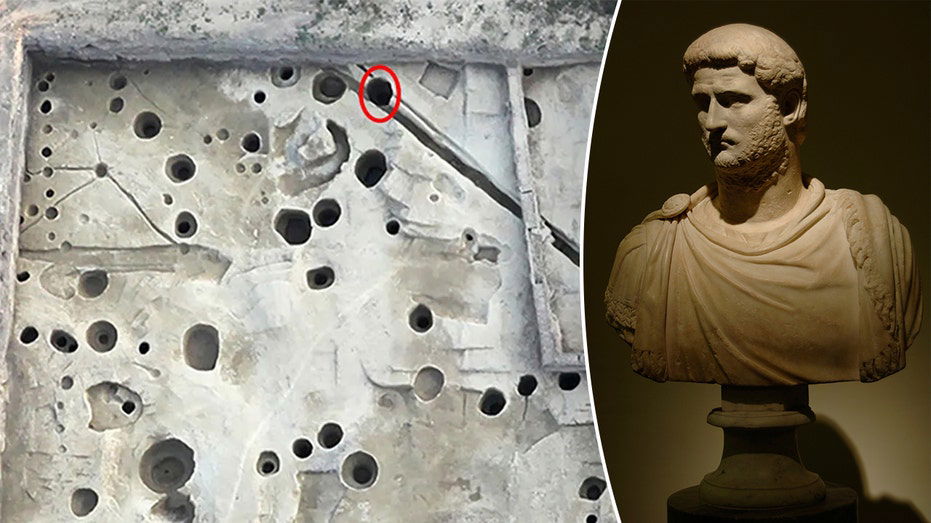
Researchers recently identified Roman warriors' bodies stacked in an ancient well in Croatia, connecting them to Emperor Gallienus' victory at the Battle of Mursa in 260 AD.
1.1 k views
The bodies were uncovered outside the city walls of Mursa, now modern-day Osijek, in 2011.
In a study published in October in PLOS One, researchers connected the corpses to the Battle of Mursa in 260 AD. The conflict was won by Emperor Gallienus, who defeated rebel commander Ingenuus.
The battle was part of Rome's Crisis of the Third Century, when the empire nearly faced ruin due to civil wars and invasions.
Using radiocarbon dating and isotopic analysis, researchers determined that the men were between 18 and 50 years old when they died. The soldiers suffered from various sword cuts, punctures and broken bones.
The specialists also learned about the men's lifestyles. They had grain-based diets and showed signs of heavy physical labor.
Mario Novak, an associate professor at the Institute for Anthropological Research in Zagreb, who was involved in the study, spoke to Fox News Digital about the findings.
Some of the injuries found on the skeletons were sustained long before the men's deaths, and Novak said those injuries were "nicely healed."
Researchers were also able to differentiate those who died in battle - with injuries to the front of their skeletons - and those who were executed afterward.
They also found a coin in the well that was likely dropped by chance, Novak said, as the bodies would have been stripped of valuables.
Novak said he believes the deceased were "soldiers of the losing side."
"The main intention was to humiliate them, even in death, by dumping them unceremoniously in a used well without proper care and any rites," said Novak.
"If these were soldiers belonging to the winning side, our reasoning is that they would be buried in formal graves with full ceremony and not like this."
After the bodies were thrown in, the well was filled and never used again, Novak said.
"We can deduce that from the position of the skeletons, as they are located one above each other and completely articulated, and not commingled," he said.
"If the well was used some time after they were dropped in, the skeletons would be at the bottom and completely mixed due to disintegration of bodies."
"There are several known mass burials, but most of these are associated with epidemics of infectious diseases such as Justinian's Plague," he said.
"Mass graves associated with wars [and] battles are quite rare."
you may also like
- by foxnews
- 03 Apr 2026
Coin used as bus fare turns out to be 2,000-year-old relic, its journey still a mystery

- by foxnews
- 03 Apr 2026
Cruise lines cancel sailings, reroute ships as Middle East conflict disrupts voyages



travel
- by foxnews
- descember 09, 2016
Hidden NYC tunnel tied to Underground Railroad at risk of 'significant damage,' advocates warn
Engineers warn an Underground Railroad passageway found at NYC's Merchant's House Museum in Manhattan is threatened by a proposed nine-story development next door.
read more